Wikipedia Editors Just Threatened to Strike Over AI - Here Is Why It Matters
Wikipedia editors are threatening to strike over AI-driven layoffs, highlighting the impact of AI on knowledge workers.


Get the daily AI & tech briefing.
The Rise of AI in Editing and Its Clash with Human Editors
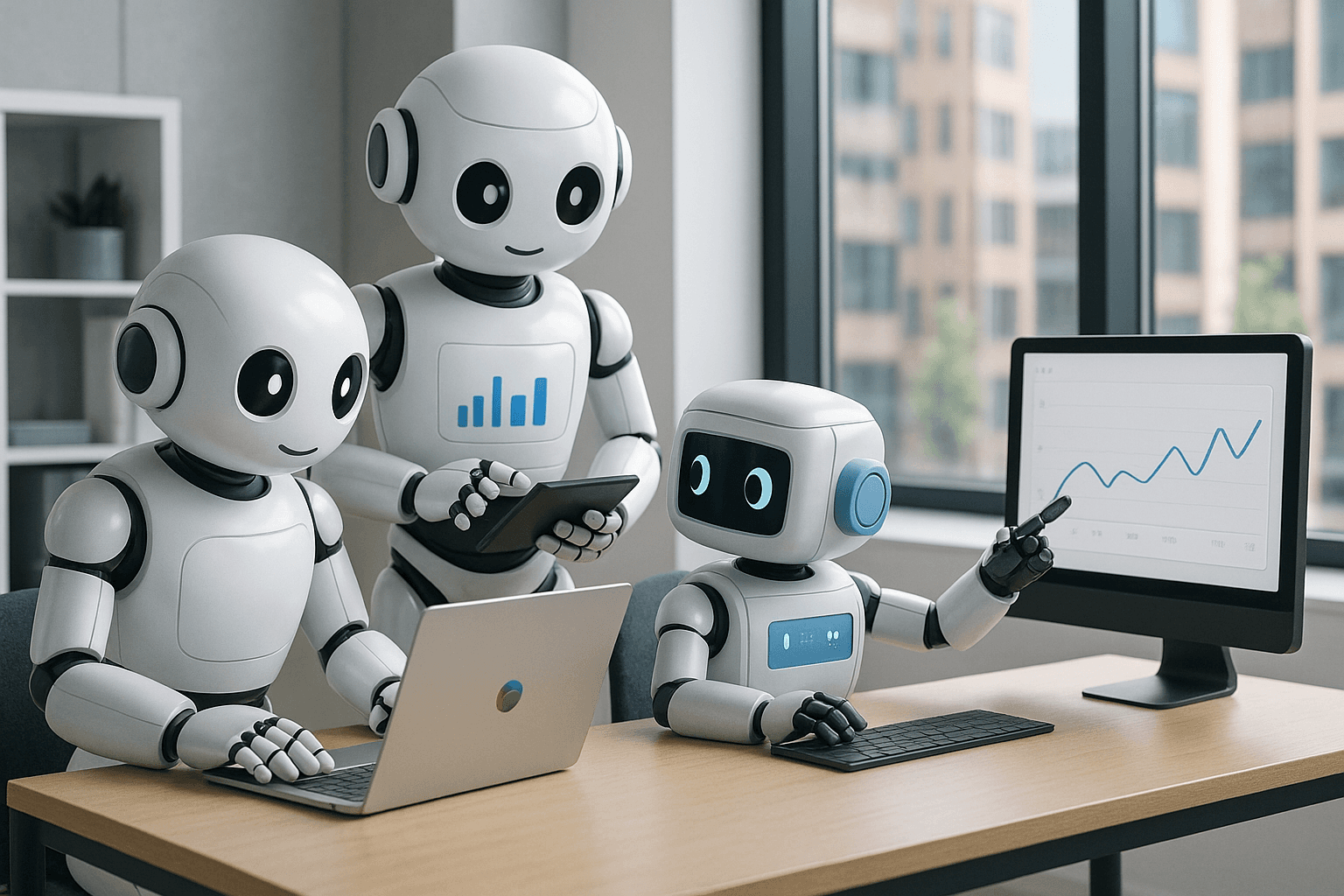
Artificial Intelligence has been making its way into various industries, and content creation is no exception. AI tools like GPT-4 have been used to create content efficiently. However, as Wikipedia editors face potential layoffs due to these AI advancements, a wave of resistance has emerged. This conflict isn't just about job loss - it's a deeper conversation about the role of AI in knowledge work. Editors are concerned that replacing human judgment with algorithms could affect the quality and accuracy of information. This situation is emblematic of broader tensions between automation and human expertise.
How AI Is Being Used in Wikipedia
Wikipedia has always relied on a vast network of human editors to maintain its accuracy and neutrality. Recently, AI has started playing a larger role in supporting these efforts. Automated bots are used to fix minor errors, while more sophisticated AI models assist in editing and updating pages. Despite these efficiencies, many editors worry that the nuances understood by humans might be lost if AI takes over crucial tasks. Though AI can process vast amounts of data swiftly, its capacity to discern context as humans do remains limited.
The Human Impact: Facing Layoffs in the Knowledge Industry
Knowledge workers, such as Wikipedia editors, have traditionally been immune to the kind of automation that affects manual labor. The looming AI-driven layoffs threaten this security. Editors fear a future where their expertise and critical thinking are undervalued. They argue that AI lacks the ability to understand cultural, historical, and social nuances that are often necessary for accurate Wikipedia entries. This isn't just a fight for jobs but a defense of the integrity of information that is freely accessible worldwide.
The Ethical Dilemma: Balancing Efficiency and Accuracy
AI in editing promises efficiency and reduced operational costs, but at what price? The ethical dilemma revolves around balancing these advantages with maintaining the trustworthiness of open-source knowledge. Wikipedia's mission has always been to provide unbiased and thoroughly vetted content. Critics argue that entirely algorithm-driven content creation could compromise this mission, as AI may inadvertent biases or omit context-rich information that human editors would catch.
A Look at the Broader Implications for the Tech Industry
This tension within Wikipedia is a microcosm of a larger issue facing the tech industry. As AI technology evolves, many sectors are grappling with similar challenges. From journalism to education, the balance between utilizing AI innovations and preserving human judgment will be crucial. The outcome of the Wikipedia editors' protest may well set a precedent for how other knowledge-driven fields adapt to AI integration.
The Response from Wikipedia and Potential Resolutions
In response to the strike threat, Wikipedia has opened channels for dialogue with its editorial community. Proposals include implementing hybrid systems where AI and human editors work together rather than independently. By valuing human input while harnessing AI's capacities, Wikipedia hopes to find a middle ground. These negotiations and their outcomes are critical - they might shape how other platforms integrate AI with human workforces.
Why This Matters: The Future of Collaborative Knowledge
The strike threat underscores essential questions about the future of collaborative knowledge. Wikipedia has long been a bastion of free, reliable information, curated by an unpaid and passionate community. How it manages the integration of AI reflects broader societal values concerning technology, labor, and information stewardship. The decisions made will likely influence other collaborative platforms and could redefine digital collaboration.
How are other industries managing AI and human integration?
Other industries, such as journalism and education, face similar challenges. Many employ hybrid models where AI assists rather than replaces human input, ensuring both efficiency and quality.
What could be a potential solution for Wikipedia?
A potential solution could involve a hybrid approach, where AI handles routine tasks while editors provide critical analysis and judgment, ensuring accuracy and context.
Is there precedence for AI causing job loss in other fields?
Yes, automation has led to job losses in manufacturing and customer service. However, knowledge work has been relatively insulated until now, making this a unique situation.
How does AI lack in understanding context?
AI, while powerful in data processing, often struggles with subtleties like cultural context, historical significance, and nuanced judgments that human editors can offer.
Could editor involvement improve AI tools?
Absolutely, human feedback can enhance AI's capabilities, making them more refined in understanding context and delivering better results.
Related Articles
Don't miss what ships next
The daily briefing on AI & tech, straight to your inbox.
Written by
Vunsh MehtaI’m a computer science student and developer focused on AI, automation, and emerging tech. I write about AI news, tools, and trends from a practical, builder-focused perspective.