OpenAI's GPT-5.6 Release Delayed Amid U.S. Government Oversight
OpenAI's latest AI model, GPT-5.6, faces a staggered release due to U.S. government intervention over national security concerns.

Get the daily AI & tech briefing.
OpenAI's GPT-5.6 Release Delayed Amid U.S. Government Oversight
OpenAI's anticipated release of its latest AI model, GPT-5.6, has encountered an unexpected delay. The U.S. government has intervened, citing national security concerns, and has requested a staggered rollout of the model. This move marks a significant shift in how advanced AI technologies are introduced to the public.
U.S. Government's Intervention in AI Model Releases
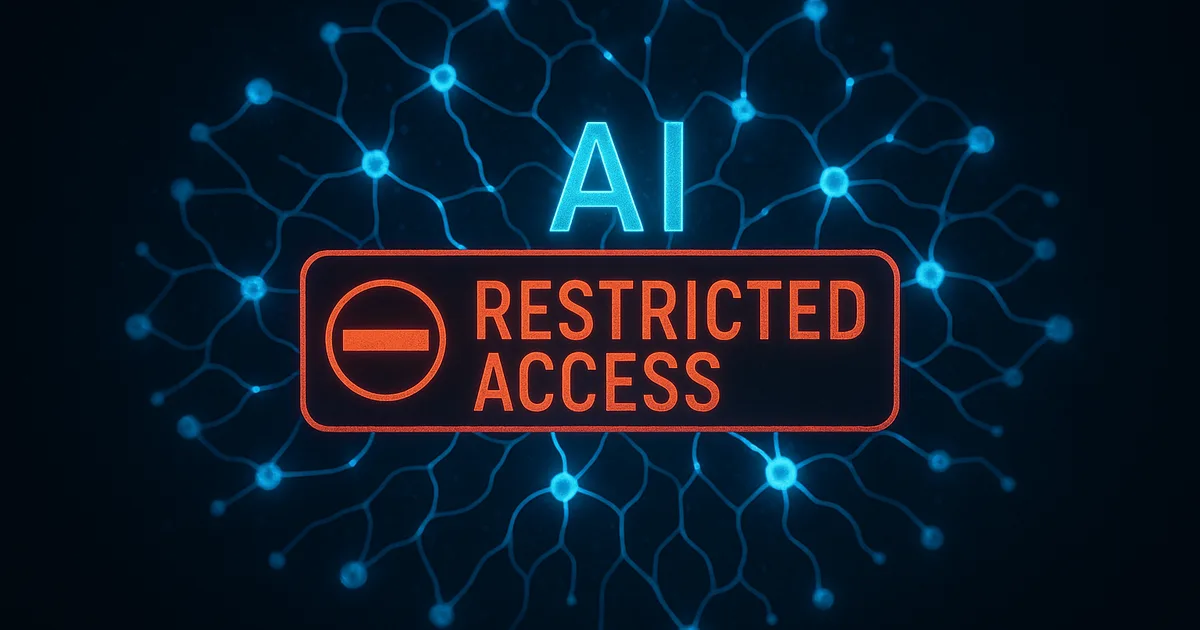
Traditionally, AI models like GPT-5.6 are launched with broad public access, allowing developers and users to explore their capabilities freely. However, the current administration has mandated a more controlled release. Initially, only a select group of partners will have access to GPT-5.6, with the federal government approving users individually during a preview period. This approach reflects growing concerns about the potential misuse of powerful AI systems and underscores the government's intent to oversee the deployment of such technologies more closely.
Implications for AI Development and Deployment
This intervention sets a precedent for future AI model releases. Companies developing advanced AI systems may now face increased scrutiny and regulatory hurdles before their products reach the public. While this could slow down the pace of innovation, it also aims to ensure that AI technologies are deployed responsibly, minimizing risks associated with their misuse.
Industry Reactions to the Staggered Release
The AI community has expressed mixed reactions to this development. Some industry leaders appreciate the government's proactive stance on AI safety, viewing it as a necessary step to prevent potential harm. Others are concerned that such interventions could stifle innovation and place undue burdens on AI developers. The balance between fostering innovation and ensuring safety remains a contentious topic within the industry.
Historical Context of Government Oversight in Technology
Government oversight in technology is not unprecedented. In the past, technologies with significant societal impact, such as nuclear energy and biotechnology, have faced similar regulatory scrutiny. The current situation with GPT-5.6 suggests that AI is now being recognized as a technology with profound implications, warranting careful oversight to balance its benefits and risks.
Future Outlook for AI Model Releases
Looking ahead, AI developers may need to navigate a more complex regulatory landscape. Collaborating with government agencies during the development phase could become standard practice to ensure compliance and facilitate smoother releases. This partnership approach may help align technological advancements with public safety and ethical considerations.
Conclusion
The delayed release of GPT-5.6 due to U.S. government intervention highlights the evolving relationship between AI development and regulatory oversight. As AI technologies continue to advance, finding the right balance between innovation and safety will be crucial. Stakeholders across the industry and government will need to work collaboratively to navigate this new terrain, ensuring that AI's potential is harnessed responsibly for the benefit of society.
FAQ
Why did the U.S. government intervene in the release of GPT-5.6?
The government cited national security concerns, prompting a staggered release to ensure the model's deployment is monitored and potential risks are mitigated.
How will the staggered release of GPT-5.6 work?
Initially, only a select group of partners will have access, with the federal government approving users individually during a preview period before a broader public release.
What are the potential risks associated with releasing advanced AI models like GPT-5.6?
Risks include misuse for malicious purposes, such as generating misleading information, automating cyberattacks, or other activities that could harm individuals or society.
How might this intervention affect future AI model releases?
Future releases may face increased regulatory scrutiny, requiring developers to collaborate with government agencies to ensure responsible deployment and compliance with safety standards.
What can AI developers do to navigate this new regulatory landscape?
Developers should engage proactively with regulatory bodies, incorporate safety measures during development, and stay informed about evolving policies to ensure their AI models meet required standards.
Related Articles

Don't miss what ships next
The daily briefing on AI & tech, straight to your inbox.
Written by
Vunsh MehtaI’m a computer science student and developer focused on AI, automation, and emerging tech. I write about AI news, tools, and trends from a practical, builder-focused perspective.