Nvidia's Entry into PC Processors: A Game-Changer for AI Computing
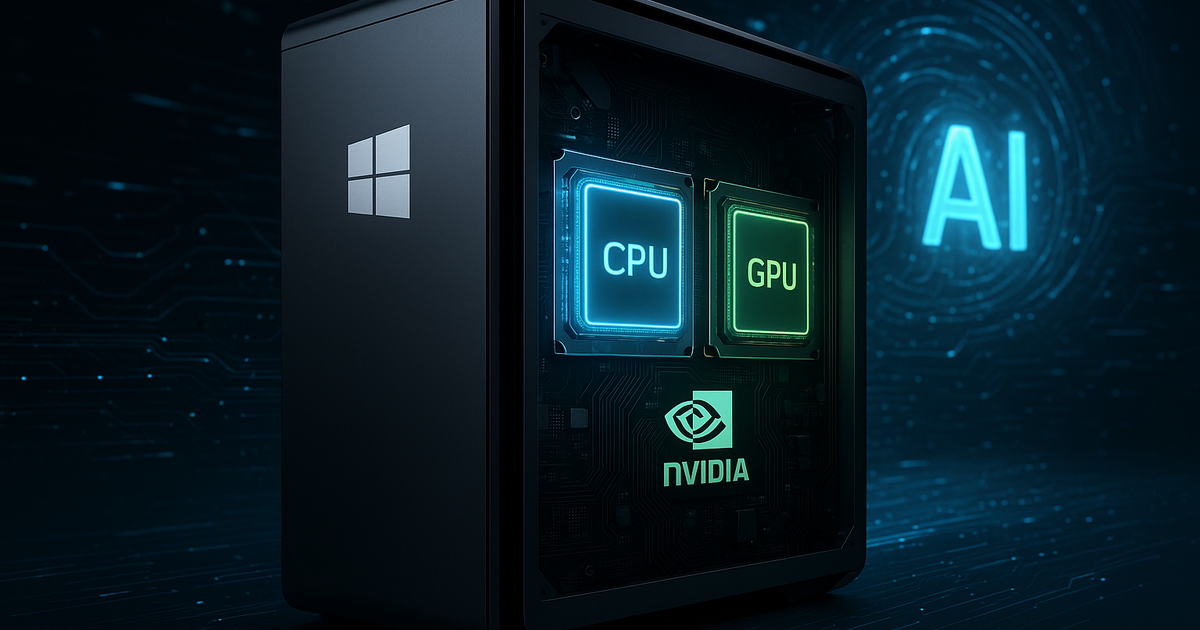
Nvidia is set to unveil its first Windows PCs powered by its own processors, marking a significant shift in AI computing.
Get the daily AI & tech briefing.
Nvidia, traditionally known for its graphics processing units (GPUs), is making a bold move into the central processing unit (CPU) market. The company is set to debut its first Windows PCs powered by Nvidia-designed processors at the upcoming Computex trade show in Taiwan and Microsoft's Build developer conference in San Francisco. ([axios.com](https://www.axios.com/2026/05/30/nvidia-microsoft-pcs-ai-surface-dell?utm_source=openai))
Nvidia's Transition from GPUs to CPUs: What It Means for the Industry
Nvidia's foray into the CPU market signifies a strategic expansion beyond its established GPU dominance. By developing its own processors, Nvidia aims to offer integrated solutions that combine both CPU and GPU capabilities, potentially enhancing performance and efficiency for AI applications. This move could disrupt the traditional CPU market, challenging incumbents like Intel and AMD.
Microsoft's Collaboration with Nvidia: Strengthening AI Capabilities
Microsoft's partnership with Nvidia in this endeavor underscores its commitment to advancing AI computing. By integrating Nvidia's processors into Windows PCs, Microsoft aims to optimize its operating system for AI workloads, facilitating smoother and more efficient AI applications. This collaboration could lead to a new generation of AI-optimized PCs, offering users enhanced capabilities for machine learning and data processing tasks.
The Impact on AI Workloads: Local Processing vs. Cloud Computing
The introduction of Nvidia-powered PCs could shift the balance between local processing and cloud computing for AI tasks. With more powerful on-device processing capabilities, users may rely less on cloud services, reducing latency and potentially lowering costs associated with cloud computing. This development aligns with a broader industry trend towards edge computing, where data processing occurs closer to the source of data generation.
Competitive Landscape: Nvidia vs. Traditional CPU Manufacturers
Nvidia's entry into the CPU market introduces new competition for established players like Intel and AMD. By offering integrated CPU-GPU solutions optimized for AI, Nvidia could attract customers seeking high-performance computing for machine learning and data analytics. This competition may drive innovation and lead to more advanced and efficient processors across the industry.
Potential Challenges: Adoption and Compatibility Concerns
Despite the promising prospects, Nvidia may face challenges in gaining adoption for its new processors. Compatibility with existing software and hardware ecosystems, as well as convincing consumers and businesses to transition from established CPU brands, could pose hurdles. Nvidia will need to demonstrate clear advantages in performance, efficiency, and cost-effectiveness to overcome these challenges.
Future Outlook: The Evolution of AI-Optimized Computing
Nvidia's move into the CPU market reflects a broader trend towards AI-optimized computing hardware. As AI applications become more prevalent across industries, the demand for processors designed specifically for AI workloads is likely to grow. Nvidia's integrated solutions could set a precedent for future developments in AI hardware, influencing the direction of computing technology in the years to come.
Key Takeaways: What This Means for Consumers and Businesses
For consumers and businesses, Nvidia's new processors could offer enhanced performance for AI applications, potentially leading to more efficient workflows and new capabilities. However, it's essential to consider factors such as compatibility, cost, and the specific needs of your AI workloads when evaluating these new offerings. Staying informed about developments in AI hardware will be crucial for making strategic decisions in an increasingly AI-driven world.
FAQ
What are the benefits of Nvidia's new processors for AI applications?
Nvidia's processors are designed to integrate CPU and GPU capabilities, potentially offering enhanced performance and efficiency for AI workloads. This integration can lead to faster data processing and improved machine learning capabilities on personal computers.
How does Nvidia's entry into the CPU market affect existing CPU manufacturers?
Nvidia's move introduces new competition for established CPU manufacturers like Intel and AMD. This competition may drive innovation and lead to the development of more advanced and efficient processors across the industry.
Will Nvidia's processors be compatible with existing software and hardware?
Compatibility is a potential challenge for Nvidia's new processors. The company will need to ensure that its processors work seamlessly with existing software and hardware ecosystems to encourage adoption among consumers and businesses.
How might Nvidia's processors impact the balance between local processing and cloud computing?
With more powerful on-device processing capabilities, Nvidia's processors could reduce reliance on cloud computing for AI tasks. This shift may lead to lower latency and reduced costs associated with cloud services, aligning with the trend towards edge computing.
What should consumers and businesses consider when evaluating Nvidia's new processors?
When evaluating Nvidia's new processors, consider factors such as performance improvements, compatibility with existing systems, cost-effectiveness, and the specific requirements of your AI workloads. Staying informed about developments in AI hardware will aid in making strategic decisions.
Related Articles


Don't miss what ships next
The daily briefing on AI & tech, straight to your inbox.
Written by
Zach GreeneI write about the tools, trends, and breakthroughs shaping the future of AI, breaking down complex ideas into clear, actionable insights. From emerging startups to the latest in AI tech, I focus on what actually matters and what’s worth paying attention to. My goal is to help you stay ahead in a rapidly evolving space.