Integrating Multimodal AI with Existing Data Pipelines
Explore technical aspects of integrating multimodal AI into data pipelines, addressing challenges and solutions.

Get the daily AI & tech briefing.
Understanding the Basics of Multimodal AI Models
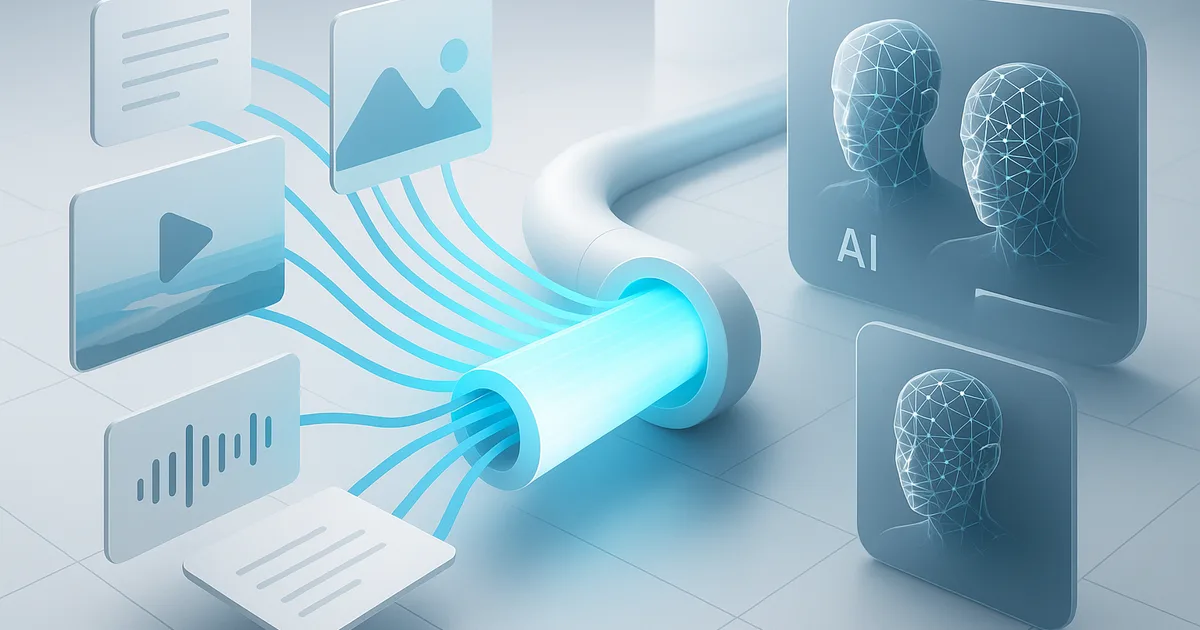
Multimodal AI models are driving innovation across industries by capable of processing and integrating diverse data types like text, images, audio, and video. These models leverage the strengths of each modality to provide comprehensive solutions, enabling more nuanced insights and richer user experiences. Understanding how these models function is the first step in integrating them into data pipelines. To explore how these models can be chosen based on specific needs, see Choosing the Right Multimodal AI Models for Your Needs.
Multimodal AI uses complex techniques to align and fuse data from different modalities. For example, combining an image and a textual description can improve the understanding of both. Often, these models are built on architectures like transformers, which are highly effective at handling sequential data patterns. For a deeper dive into how these models can be integrated effectively, visit Best Practices for Integrating Multimodal AI in Applications.
Why Incorporating Multimodal AI is Essential
Integrating multimodal AI models into existing data pipelines is becoming increasingly important for companies aiming to stay competitive. These models enhance capabilities by:
- Providing rich, contextual insights through data fusion.
- Enabling automation of complex tasks previously done manually.
- Offering personalized recommendations by understanding user behavior across different modalities.
Incorporating these capabilities can transform how businesses interact with their data, improving both operational efficiency and client satisfaction. For more on integrating multimodal AI, see our hub article.
Challenges in Integrating Multimodal AI into Data Pipelines
Integrating multimodal AI is not without its hurdles. Some of the common challenges include:
- Data Compatibility: Divergent formats and structures of data from different modalities can complicate integration. Unifying these requires a robust preprocessing system.
- Data Volume and Speed: Handling large volumes of multimodal data needs scalable infrastructure. Latency can become a problem if the pipeline is not optimized.
- Model Complexity: Multimodal models are complex and computationally intense. Ensuring they align with existing architecture often requires significant adaptation.
These challenges necessitate thoughtful planning and implementation strategies, which we will explore further.
Effective Strategies for Multimodal AI Data Pipeline Integration
To integrate multimodal AI successfully, consider the following strategies:
- Data Preprocessing and Enrichment: Ensure all data is consistently prepared and preprocessed. This involves standardizing formats and enriching data with additional context if necessary.
- Infrastructure and Scalability: Use scalable cloud platforms or distributed computing frameworks like Apache Kafka or Spark to manage data flow.
- Incremental Integration: Adopt a phased integration approach. Start with simpler models to establish baseline performance and gradually shift to more complex integrations.
- Model Monitoring and Maintenance: Set up monitoring systems to regularly check model performance and adapt them as necessary. Regular maintenance updates should account for new data or changing patterns.
Tools and Technologies for Streamlining Integration
Selecting the right tools is crucial for seamless integration. Here is a comparison of some popular tools:
Tool/Platform | Key Feature | Use Case |
|---|---|---|
TensorFlow | Extensive model library | Training and deploying multimodal AI |
PyTorch | Flexibility in deep learning | Research and building experimental models |
Apache Kafka | Real-time data streaming | Efficient data flow management |
Apache Spark | Unified analytics engine | Batch processing and machine learning |
Choose tools that align with your existing infrastructure to simplify deployment and management processes. For a comparison of leading multimodal AI tools and platforms, refer to Comparing Leading Multimodal AI Tools and Platforms.
Case Studies: Real-World Applications of Multimodal AI
Many organizations have successfully integrated multimodal AI models, transforming their operations. Here are a few examples:
- E-commerce Personalization: Retail companies combine user browsing behaviors (text), product images, and reviews (audio inputs) to create tailored shopping experiences.
- Healthcare Diagnostics: Integrating MRI images (visual data) with patient records (text) helps in quicker and more accurate diagnosis.
- Customer Support: Utilizes chat logs (text), call recordings (audio), and sentiment analysis to expedite customer service response times.
These cases highlight how effectively managed multimodal integration can lead to significant process improvements and benefits. For more detailed case studies, explore Exploring Real-World Case Studies of Multimodal AI.
Best Practices for Technical AI Integration
Follow these best practices to ensure smooth integration:
- Cross-disciplinary Collaboration: Work closely with both AI specialists and data engineers. A collaborative effort ensures alignment of goals and technical feasibility.
- Workshop and Prototype Testing: Before full-scale implementation, conduct workshop testing to predict potential issues and address them in advance.
- Security and Compliance: Ensure all data handling complies with relevant privacy standards and regulations. Implement security protocols to protect sensitive information.
The Future of Multimodal AI in Data Pipelines
The future of data pipeline integration with multimodal AI is bright, with rapid advancements and powerful use cases constantly emerging. As models evolve to become even more sophisticated, data pipelines will need to adapt and leverage these changes for improved capabilities and insights. Organizations that strategically implement these technologies will likely gain significant competitive advantages.
Multimodal AI integration is a transformative step for modern data-driven enterprises. By understanding the challenges, utilizing the right tools, and adhering to best practices, businesses can harness the full potential of these advanced models. For insights into future trends in multimodal AI development, see Future Trends in Multimodal AI Development.
Related Articles



Don't miss what ships next
The daily briefing on AI & tech, straight to your inbox.
Written by
Vunsh MehtaI’m a computer science student and developer focused on AI, automation, and emerging tech. I write about AI news, tools, and trends from a practical, builder-focused perspective.