The Great American AI Act Explained - What a 269-Page AI Bill Means for You
Learn how the Great American AI Act could freeze state AI laws and affect AI tool users nationwide.

Get the daily AI & tech briefing.
Understanding the Great American AI Act and Its Implications
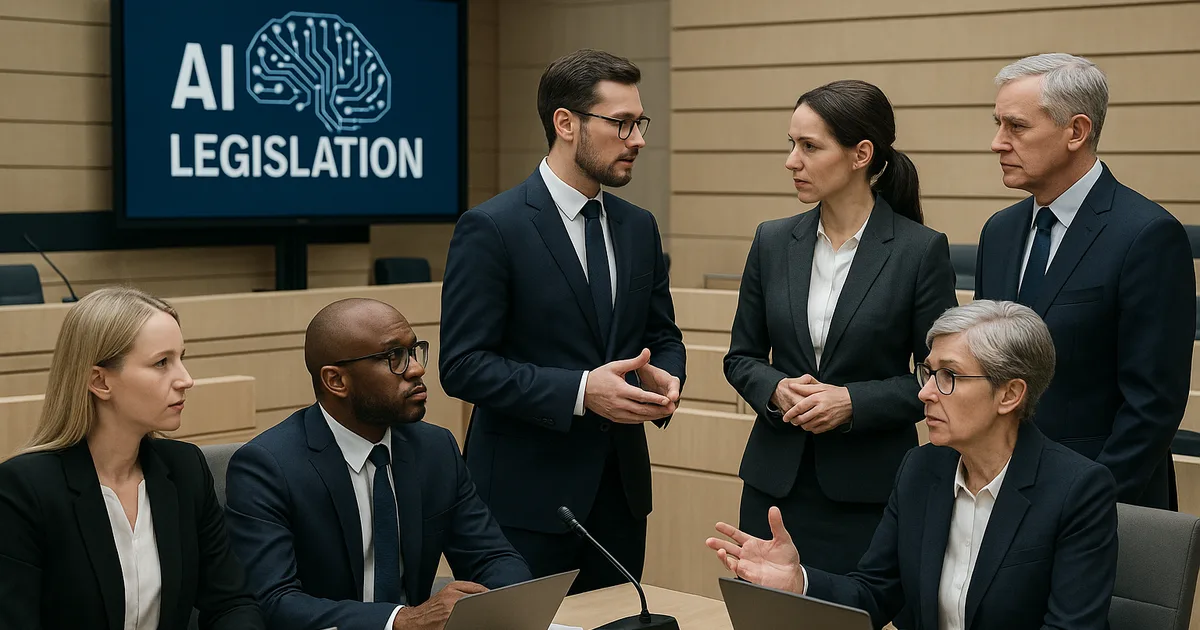
The Great American AI Act is a significant piece of legislation aiming to regulate artificial intelligence (AI) across the United States. This 269-page bill proposes to freeze state AI laws for three years, leading to many questions and concerns among AI users and developers. Crucially, it overrides existing state protections like Colorado's AI Act, which includes strict anti-discrimination requirements. As government involvement in AI legislation increases, understanding the impact of the Great American AI Act is essential for anyone using AI tools.
How the AI Act Freezes State Laws for Three Years
One of the most contentious aspects of the Great American AI Act is its provision to freeze all existing state AI laws for three years. This pause is intended to provide time for federal standards to be developed, ensuring uniformity across the nation rather than a patchwork of state-level regulations. However, this move raises concerns about voiding existing protections that states like Colorado have embedded into legislation. For users and developers, this freeze could mean a temporary inconsistency in how AI is governed, while national standards are discussed and implemented.
What Does Overriding State-Level Protections Mean?
Overriding state-level protections, such as those included in Colorado’s AI Act, has a profound impact on marginalized communities. Colorado's law includes anti-discrimination requirements aimed at preventing biases in AI systems. By overriding these protections, the Great American AI Act could expose users to increased risk of unfair treatment by AI technologies. This decision highlights the ongoing debate between establishing nationwide AI standards and respecting local governance that tailors laws to their community needs.
Reasons Behind the Nationwide Regulation Push
Why is there a push for national AI regulations? As AI technologies rapidly evolve, consistent regulation ensures that safety standards and ethical guidelines are met. A federal approach can help avoid confusion and complexity experienced when companies comply with varying state regulations. This standardization can lead to a more streamlined innovation process, potentially fostering more robust AI development. On the other hand, nationwide regulation also sparks debates about the balance between innovation and privacy or ethical concerns.
Impact on Everyday Americans Using AI Tools
How does this affect everyday users of AI tools across the country? If you're relying on AI for work or personal reasons, these legislative changes will impact how your data is used, stored, and processed. AI applications, from virtual assistants to more complex predictive algorithms, will have to comply with new standards. Users may notice changes in user agreements and more transparent practices, as developers align with the anticipated federal guidelines. Maintaining awareness of these shifts is crucial to understand how your personal data may be impacted.
Examples of AI Tools Influenced by the Act
Many popular AI tools could be influenced by the proposed legislation. For example, tools used for employee recruitment must adhere to new guidelines to ensure unbiased candidate selection processes. Similarly, AI applications in healthcare and finance will undergo scrutiny to prevent discriminatory practices, guaranteeing fair access for all users. These tools must meet regulatory expectations, potentially leading to updates and changes in how they function.
AI Tool | Purpose | Potential Changes Due to the Act |
|---|---|---|
Chatbots | Customer service | Enhanced privacy standards |
Recruitment Software | Hiring processes | Anti-discrimination updates |
Financial Software | Investment advice | Transparent data usage rules |
What Happens to Existing State Protections?
With state regulations paused, current protections like those in Colorado’s AI laws will be overridden. This could lead to lapses in enforcement of specific local protections, impacting groups that rely on these laws for safeguarding against algorithmic biases. However, it's not all bleak. Legislators emphasize that the motive behind the pause is to create a comprehensive and improved national framework that offers enhanced protection. The challenge remains ensuring these new laws incorporate lessons learned from existing state regulations.
How to Stay Informed About AI Legislation Changes
Staying informed about these legislative changes is key to navigating the impacts on your personal and professional use of AI. Regularly checking authoritative news sources, government publications, and tech websites like [aistackd.com](/posts/the-american-ai-update) can provide updated insights into how these changes unfold. Engaging with tech communities and participating in public discussions can also offer valuable perspectives on how the AI landscape is evolving due to this legislation.
What is the Great American AI Act?
The Great American AI Act is a comprehensive federal bill aimed at regulating AI technologies across the United States. Its main feature is freezing state AI laws for three years while establishing national standards.
How does the Act impact state-level AI protections?
By overriding existing state laws, the Act can temporarily diminish protections such as anti-discrimination measures included in state legislation like Colorado's AI Act.
Why freeze state AI laws for three years?
The pause allows for developing uniform federal standards to avoid confusion and ensure consistent nationwide regulation. It also offers time to refine these standards based on evolving technologies.
How will AI tool users be affected?
Users will see changes in how data is handled, with increased transparency and potentially improved protections once federal guidelines are defined. It’s crucial to stay informed about these changes.
Where can I learn more about AI legislation?
You can stay informed by following trustworthy news outlets, government updates, and dedicated AI tech sites like [aistackd.com](/posts/the-american-ai-update). Engaging in public discussions can also provide diverse insights.
Related Articles
Don't miss what ships next
The daily briefing on AI & tech, straight to your inbox.
Written by
Vunsh MehtaI’m a computer science student and developer focused on AI, automation, and emerging tech. I write about AI news, tools, and trends from a practical, builder-focused perspective.