Google DeepMind's Demis Hassabis Advocates for U.S.-Led Global AI Regulatory Body
Demis Hassabis, CEO of Google DeepMind, calls for the U.S. to lead in establishing a global AI watchdog to manage emerging risks.
Get the daily AI & tech briefing.
Demis Hassabis Calls for U.S. Leadership in Global AI Regulation
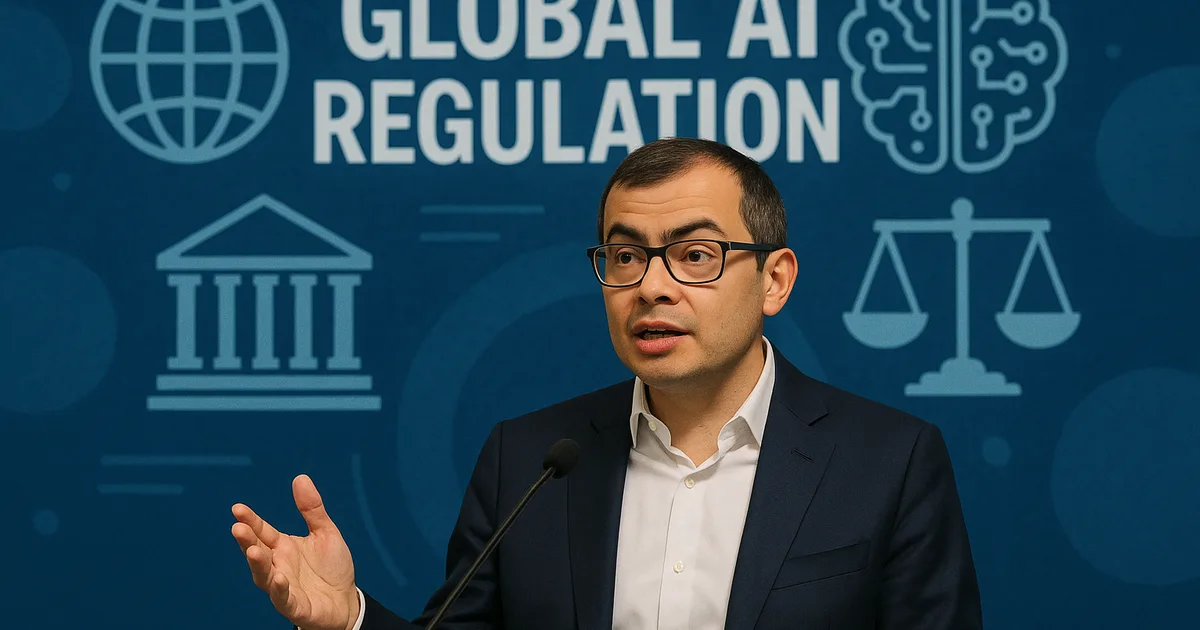
Demis Hassabis, CEO and co-founder of Google DeepMind, has recently urged the United States to spearhead the creation of a global AI regulatory body. In an exclusive interview with Axios, Hassabis emphasized the need for a systematic, industry-funded watchdog modeled after the Financial Industry Regulatory Authority (FINRA). This proposed body would be staffed by technical experts and have the authority to screen advanced AI models, enforcing slowdowns if risks escalate. (axios.com)
Rising Cyber Risks and Potential Threats from Open-Source AI Models
Hassabis highlighted the increasing cyber risks associated with AI advancements, particularly from open-source models. He warned that within 18 months, more severe dangers, including biological and nuclear capabilities, could be integrated into these systems. This urgency underscores the need for a robust regulatory framework to manage and mitigate such risks effectively. (axios.com)
The Need for a Systematic Approach to AI Regulation
The current ad hoc measures are insufficient to address the rapid developments in AI. Hassabis advocates for a more systematic approach, proposing an AI standards body similar to FINRA. This organization would be funded by the industry, staffed by world-class technical experts, and answerable to the U.S. government. Such a body would have the authority to screen advanced AI models and enforce slowdowns if necessary, ensuring that AI development proceeds responsibly. (axios.com)
International Support and the Path Forward
Hassabis has been quietly building international support for this initiative, briefing the Trump administration, fellow lab leaders, and European officials. He believes that artificial general intelligence (AGI) is just a few years away, marking the beginning of the singularity. This belief underscores the urgency of establishing a global AI regulatory body to manage the profound changes that AGI will bring. (axios.com)
Implications for the AI Industry
The establishment of a global AI regulatory body would have significant implications for the AI industry. It would provide a structured framework for AI development, ensuring that advancements are made responsibly and ethically. This could lead to increased public trust in AI technologies and potentially prevent harmful applications of AI. However, it also raises questions about the balance between regulation and innovation, and how to ensure that regulatory measures do not stifle technological progress. (axios.com)
Challenges in Implementing a Global AI Watchdog
Implementing a global AI regulatory body presents several challenges. Coordinating international efforts and achieving consensus among various stakeholders can be complex. Additionally, defining the scope and authority of such a body requires careful consideration to avoid overreach or underregulation. Ensuring that the regulatory body is adaptable to the rapidly evolving AI landscape is also crucial. (axios.com)
The Role of the United States in AI Regulation
Hassabis's call for U.S. leadership in establishing a global AI watchdog highlights the country's pivotal role in AI development and regulation. The U.S. has the technological expertise, resources, and influence to lead such an initiative. By taking the lead, the U.S. can set standards and frameworks that promote responsible AI development globally, ensuring that AI technologies benefit society while mitigating potential risks. (axios.com)
Conclusion
Demis Hassabis's advocacy for a U.S.-led global AI regulatory body underscores the pressing need for a systematic approach to AI regulation. As AI technologies continue to advance rapidly, establishing a robust framework to manage potential risks is essential. The proposed watchdog, modeled after FINRA, could provide the necessary oversight to ensure that AI development proceeds responsibly, balancing innovation with safety and ethical considerations. (axios.com)
FAQ
What is the main purpose of the proposed global AI regulatory body?
The proposed global AI regulatory body aims to provide systematic oversight of advanced AI models, screening them for potential risks and enforcing slowdowns if necessary to prevent harmful applications.
Why does Demis Hassabis believe the U.S. should lead this initiative?
Hassabis believes the U.S. has the technological expertise, resources, and influence to effectively lead the establishment of a global AI regulatory body, setting standards that promote responsible AI development worldwide.
What are the potential risks associated with open-source AI models?
Open-source AI models can be accessed and modified by anyone, potentially leading to the integration of dangerous capabilities, such as biological or nuclear threats, within a short timeframe.
How would the proposed AI watchdog be funded and staffed?
The watchdog would be industry-funded and staffed by world-class technical experts, ensuring that it has the necessary resources and expertise to effectively oversee AI developments.
What challenges might arise in implementing a global AI regulatory body?
Challenges include coordinating international efforts, achieving consensus among stakeholders, defining the scope and authority of the body, and ensuring adaptability to the rapidly evolving AI landscape.
Related Articles

Don't miss what ships next
The daily briefing on AI & tech, straight to your inbox.
Written by
Zach GreeneI write about the tools, trends, and breakthroughs shaping the future of AI, breaking down complex ideas into clear, actionable insights. From emerging startups to the latest in AI tech, I focus on what actually matters and what’s worth paying attention to. My goal is to help you stay ahead in a rapidly evolving space.