Amazon's Mechanical Turk Winds Down: The End of an Era in AI Data Annotation
Amazon's decision to halt new sign-ups for Mechanical Turk marks a significant shift in the AI data annotation landscape, reflecting the evolving dynamics between human labor and machine learning.

Get the daily AI & tech briefing.
Amazon's recent announcement to cease accepting new customers for its Mechanical Turk platform signals a pivotal change in the AI data annotation industry. This move underscores the evolving relationship between human labor and machine learning systems.
The Role of Mechanical Turk in AI Development
Launched in 2005, Amazon Mechanical Turk (MTurk) provided a marketplace for microtasks that machines found challenging, such as image labeling, sentiment analysis, and data validation. These tasks were essential for training and refining machine learning models, as they required nuanced human judgment. Over the years, MTurk became a cornerstone for AI developers seeking scalable and cost-effective data annotation solutions.
Amazon's Decision to Halt New Sign-Ups
On July 6, 2026, Amazon announced that it would stop accepting new customers for MTurk starting July 30, 2026. Existing customers can continue using the service, but no new features are planned. This decision reflects a strategic shift as AI models have become more capable of performing tasks that previously required human input. Additionally, concerns about data quality have arisen, with reports indicating that a significant portion of MTurk workers were using AI tools to complete tasks, potentially compromising the integrity of the data collected. (hipther.com)
Implications for the AI Industry
The winding down of MTurk highlights several key implications for the AI industry:
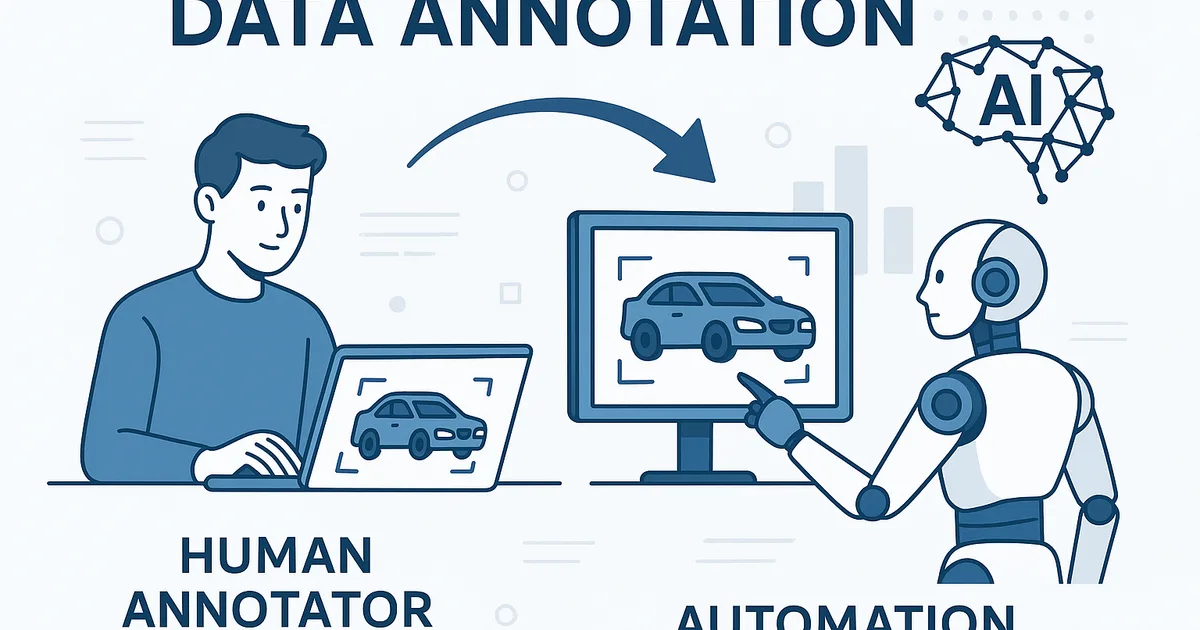
- Shift Towards Automated Data Annotation: As AI models improve, the reliance on human annotators is decreasing. Automated data labeling tools are becoming more prevalent, offering faster and more consistent annotations.
- Quality Assurance Challenges: The use of AI by human annotators to complete tasks raises questions about data authenticity. Ensuring the quality of training data is paramount, and the industry may need to develop new standards and verification processes.
- Economic and Ethical Considerations: The decline of platforms like MTurk affects a global workforce that relied on microtasking for income. This shift prompts discussions about the ethical implications of replacing human labor with automation and the need for support systems for displaced workers.
The Future of Data Annotation
While the closure of MTurk to new users marks the end of an era, the demand for high-quality annotated data remains. The industry is likely to see a rise in specialized data annotation companies that offer verified and high-quality datasets. Additionally, hybrid models that combine human oversight with automated processes may emerge to balance efficiency with data integrity.
Conclusion
Amazon's decision to wind down Mechanical Turk reflects broader trends in the AI industry towards automation and raises important questions about data quality and the future of human labor in AI development. As the landscape continues to evolve, stakeholders must navigate these changes thoughtfully, ensuring that advancements in technology do not come at the expense of ethical considerations and data integrity.
FAQ
What is Amazon Mechanical Turk?
Amazon Mechanical Turk (MTurk) is a crowdsourcing marketplace that allows businesses to outsource microtasks to a distributed workforce. These tasks often require human intelligence, such as data labeling, content moderation, and survey participation.
Why is Amazon stopping new sign-ups for Mechanical Turk?
Amazon announced it would stop accepting new customers for MTurk starting July 30, 2026, due to the evolving capabilities of AI models and concerns about data quality, as some workers were using AI tools to complete tasks.
How does this affect the AI industry?
The reduction in human-annotated data sources like MTurk may lead to increased reliance on automated data annotation tools and raise concerns about data quality and the displacement of human workers in the AI development process.
What alternatives exist for data annotation?
Alternatives include specialized data annotation companies that provide verified datasets, as well as hybrid models that combine human oversight with automated processes to ensure data quality and efficiency.
What are the ethical considerations of this shift?
The shift towards automation in data annotation raises ethical questions about the displacement of human workers, the quality and authenticity of data, and the need for support systems for those affected by these technological changes.
Related Articles


Don't miss what ships next
The daily briefing on AI & tech, straight to your inbox.
Written by
Vunsh MehtaI’m a computer science student and developer focused on AI, automation, and emerging tech. I write about AI news, tools, and trends from a practical, builder-focused perspective.