Future Trends in Multimodal AI and Workflow Integration
Explore future trends in multimodal AI and their impact on workflow integration and innovation.

Get the daily AI & tech briefing.
Understanding the Rise of Multimodal AI in Modern Workflows
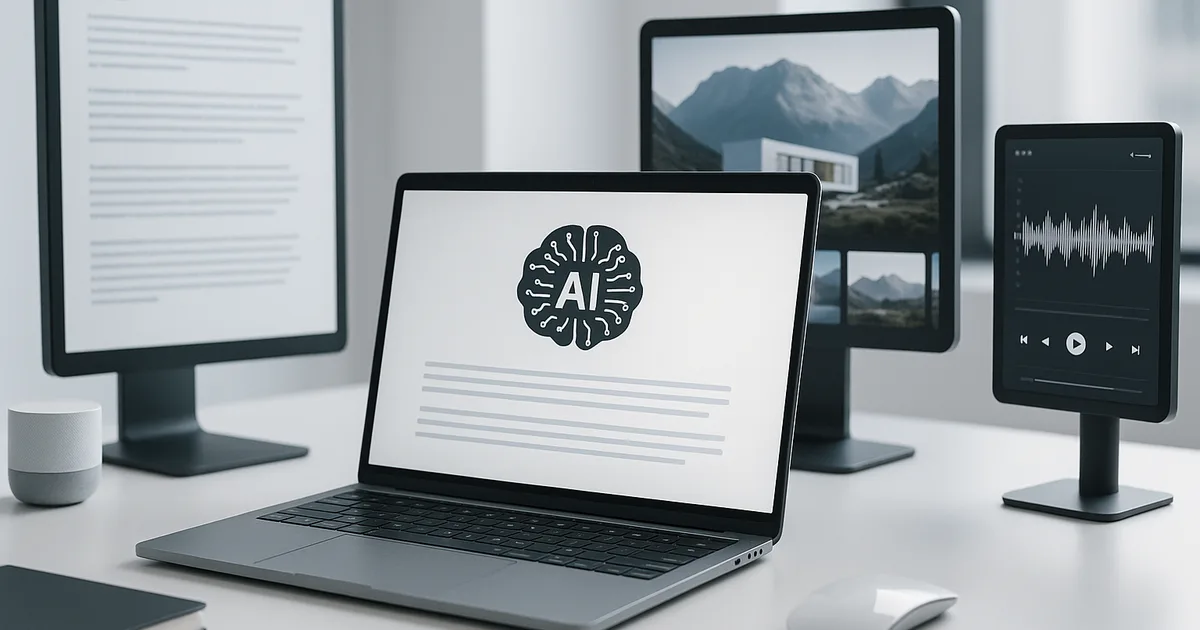
Multimodal AI is swiftly becoming a game-changer in various industries. These AI models can process and interpret text, images, and audio data seamlessly, creating a cohesive understanding beyond what single-mode models can achieve. As businesses look to streamline operations and boost innovation, the integration of multimodal AI into workflows is crucial.
Key Future Trends in Multimodal AI
Several trends are shaping the future of multimodal AI. These include advancements in neural network architectures, increased computational power, and enhanced data fusion techniques. Emphasizing the ability to handle diverse data types, these trends are paving the way for more comprehensive AI solutions.
Harnessing Neural Networks for Multimodal Processing
The innovation in neural networks has significantly impacted multimodal AI. By adopting transformer-based models, companies can craft solutions that deftly merge textual, visual, and auditory data, leading to more nuanced insights and predictions. For businesses looking to choose the right models, selecting the right multimodal AI models for your needs is a crucial step.
The Role of Data Fusion Techniques in Integration
Data fusion plays a pivotal role in multimodal AI by blending information from various sources to create a unified result. Advanced fusion techniques, such as joint embedding spaces, are helping to align data types, enhancing the model's understanding and performance.
How Multimodal AI Enhances Workflow Integration
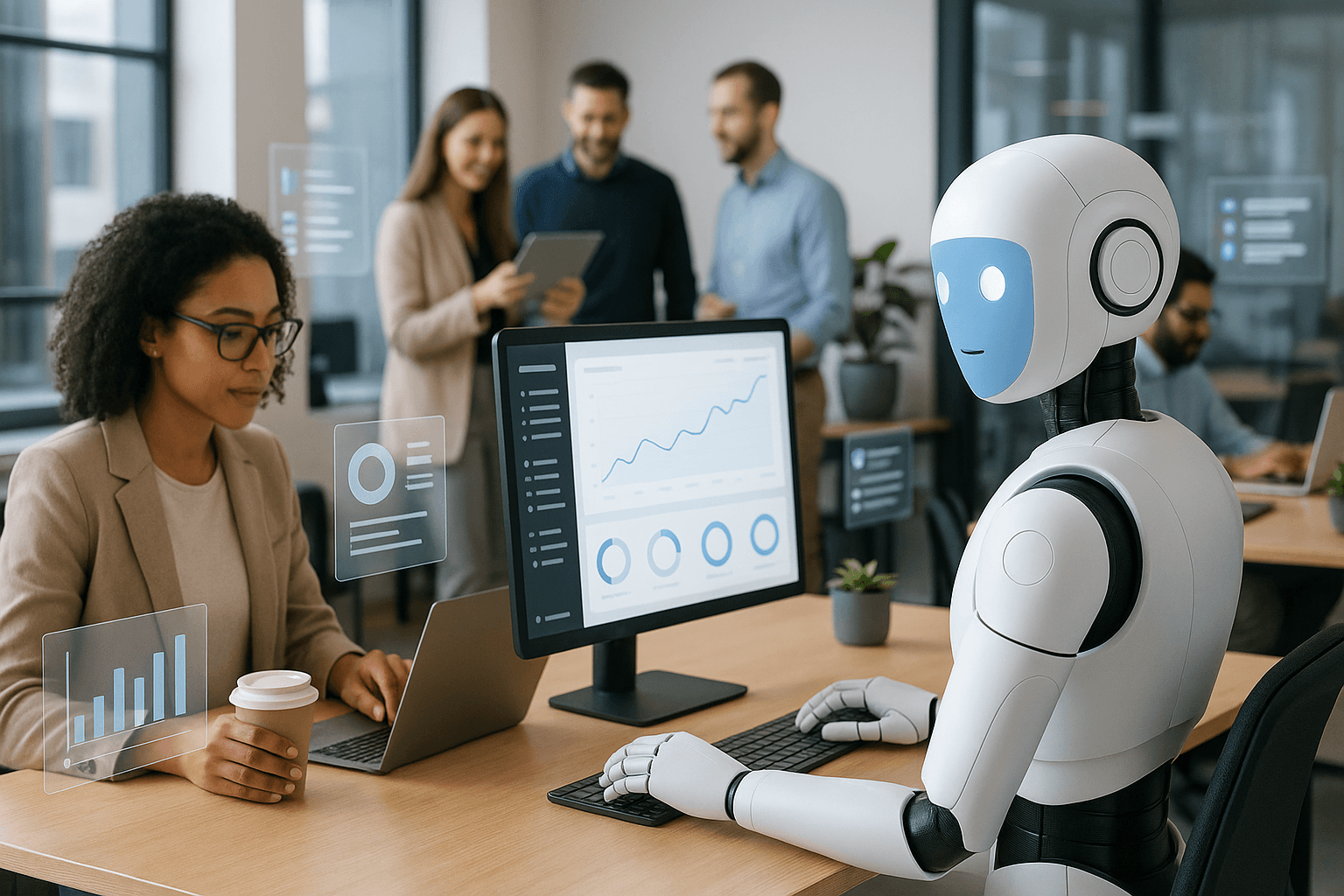
Integrating multimodal AI can drastically improve workflow efficiency by automating complex processes, reducing manual labor, and offering real-time insights.
Automating Complex Processes for Efficiency
Businesses can automate intricate processes by employing AI that understands both context and detail. Multimodal models with the capability to process customer queries combining speech and text can streamline support operations, reducing response times and enhancing customer satisfaction.
Real-Time Insights and Decision Making
Effective decision-making relies on rapid access to diverse data. Multimodal AI offers real-time analysis across different data types, enabling companies to react swiftly and adaptively to market changes.
Comparison of Multimodal AI Platforms
Platform | Key Features | Best For |
|---|---|---|
OpenAI's GPT | Advanced natural language processing; Open-ended | Text-heavy applications |
DALL-E | Image generation and creativity | Creative industries; design tasks |
Google’s DeepMind | Text, image, and video understanding | Broad multimedia applications |
IBM Watson | Focus on business analytics; speech recognition | Enterprise applications; customer insights |
Challenges in Implementing Multimodal AI
Implementing multimodal AI is not without its challenges. Key issues include data management complexities, cost of resources, and the need for skilled professionals to oversee operations. For detailed insights into overcoming these hurdles, explore challenges and solutions in multimodal AI integration.
Managing Diverse Data Pools
Handling large volumes of diverse data requires robust storage solutions and efficient architecture design. Balancing these elements is crucial to ensure seamless processing and analysis.
Resourcing and Expertise Barriers
The cost associated with high-quality computational resources can be a barrier for some organizations. Furthermore, there is a necessity for talent skilled in deploying and maintaining these sophisticated AI systems.
Strategies for Successful Integration of Multimodal AI
Successfully integrating multimodal AI into business processes requires strategic planning and a focus on adaptability and scalability. A step-by-step guide to implementing multimodal AI can be invaluable in this process.
Building Scalable AI Solutions
Scalability is essential for applications that may need to grow as business needs evolve. Building adaptable architectures that can accommodate increasing data sizes and complexity will lead to more sustained AI benefits.
Training and Development Initiatives
Investing in employee training ensures that teams are equipped to work with AI technologies effectively. Partnerships with educational institutions can also foster innovation and talent development, ensuring a continuous influx of skilled professionals.
Innovations Influencing Future AI Integration
Emerging technologies are influencing AI integration. Hyper-specialization in AI, the advent of 5G, and quantum computing are expected to accelerate the evolution of multimodal systems.
Exploring Hyper-Specialized AI Applications
With the capability of processing nuanced data, hyper-specialized AI applications targeting specific industry needs are becoming more common, offering targeted solutions and unparalleled value.
The Impact of 5G and Quantum Computing
Faster internet speeds from 5G and advancements in quantum computing promise to boost the processing capabilities of AI systems. This evolution will likely enable more sophisticated real-time multimodal analyses.
Conclusion: Embracing the Future of Multimodal AI
The integration of multimodal AI into workflows offers tremendous potential for innovation and efficiency. As organizations increasingly adopt these technologies, understanding future trends and best practices for integration is vital for maintaining a competitive edge.
Related Articles


Don't miss what ships next
The daily briefing on AI & tech, straight to your inbox.
Written by
Vunsh MehtaI’m a computer science student and developer focused on AI, automation, and emerging tech. I write about AI news, tools, and trends from a practical, builder-focused perspective.