Case Studies: Successful Multimodal AI Integration
Explore successful multimodal AI integrations across industries, highlighting key lessons and best practices.
Get the daily AI & tech briefing.
Case Studies: Successful Multimodal AI Integration
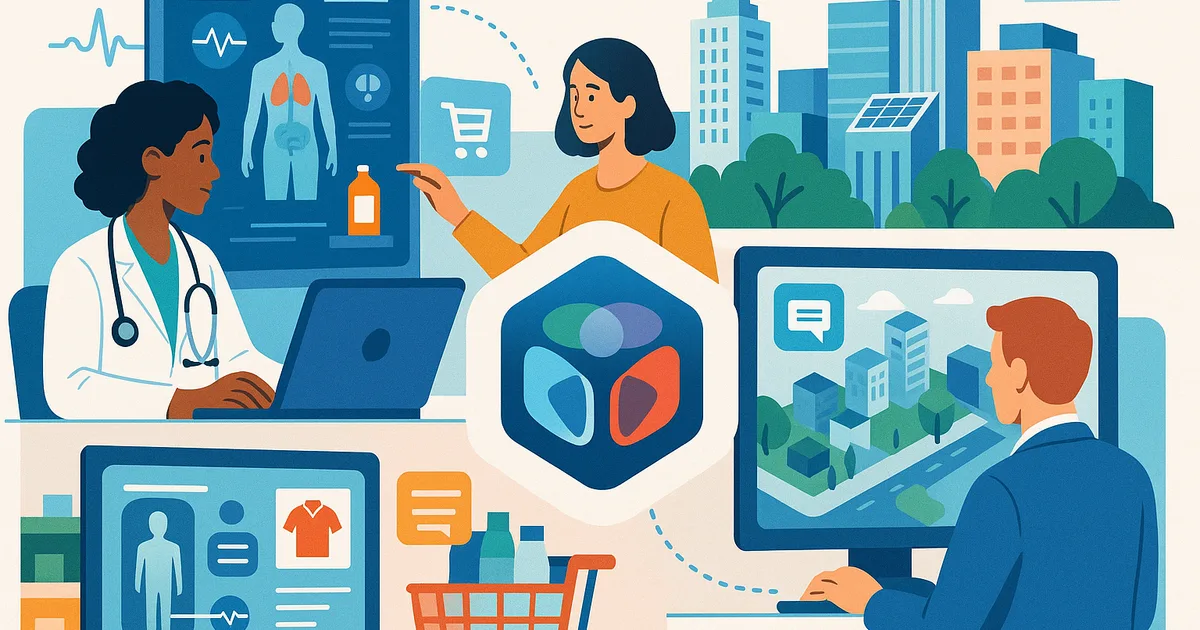
Multimodal AI, which combines text, image, and audio processing, is rapidly transforming industries by enabling more versatile interactions and analyses. Here are real-world examples showcasing the successful integration of multimodal AI across various sectors, highlighting lessons learned and best practices.
Retail Transformation Through Multimodal AI
The retail industry has embraced multimodal AI to enhance customer experiences and streamline operations. For instance, a major clothing retailer integrated AI models capable of processing text from customer reviews and images of products. By analyzing the sentiments in reviews and correlating them with product images, the retailer improved inventory predictions and customized marketing strategies. This approach aligns with the strategies discussed in Selecting the Right Multimodal AI Models for Your Needs.
Key Takeaways:
- Integration can optimize inventory management by aligning product features with consumer preferences.
- Sentiment analysis on multiple data types provides richer insights than single-modality models.
Healthcare Advancements with Multimodal AI
In healthcare, multimodal AI has been revolutionary, particularly in diagnostics and patient care. An example is a leading hospital’s implementation of AI systems that analyze patient records (text), X-rays (images), and symptoms (audio from patient consultations). This integration has resulted in faster diagnosis and improved treatment planning, illustrating concepts from Implementing Multimodal AI: A Step-by-Step Guide.
Key Takeaways:
- Combining modalities accelerates diagnostic processes by corroborating findings across data types.
- Multimodal AI supports personalized patient care through comprehensive data analysis.
Enhancing Entertainment Through AI Integration
The entertainment industry is leveraging multimodal AI to create more engaging content. A notable case is a film studio that used AI to analyze scripts (text), past movies (image), and audience reactions (audio). By integrating these insights, they developed films that resonate more deeply with viewers.
Key Takeaways:
- Multimodal AI assists in crafting content that aligns with audience expectations and historical data.
- It provides a holistic view of consumer responses, guiding creative decisions.
Streamlining Manufacturing with AI
In manufacturing, multimodal AI is optimizing assembly lines and maintenance operations. A global automotive company utilizes AI to analyze assembly line images, workers’ feedback (text), and machinery sounds (audio). This approach identifies potential issues before they escalate and optimizes workflows.
Key Takeaways:
- Proactive maintenance reduces downtime through early detection of anomalies.
- Multimodal analysis fosters a safer, more efficient production environment.
Education Enriched by Multimodal AI
Educational platforms are integrating AI to cater to diverse learning needs. An example is an online learning provider that uses AI to analyze student essays (text), video submissions (image), and verbal presentations (audio). This integration personalizes learning pathways and improves student engagement.
Key Takeaways:
- Personalized education is achieved by adapting to varied learning preferences.
- Multimodal feedback enhances student-teacher interactions and outcomes.
Improving Customer Service with AI Solutions
Customer service has been transformed by integrating AI systems that process chat conversations (text), user interface interactions (image), and customer calls (audio). A telecom company successfully implemented this to enhance support speed and accuracy.
Key Takeaways:
- Integrated AI systems boost response times and service quality by analyzing interactions in real-time.
- Cross-modal analysis identifies trends and frequent issues, informing better resource allocation.
Multimodal AI in Urban Planning
Cities are utilizing AI to streamline urban planning processes. By evaluating satellite images (image), city plans (text), and public consultations (audio), urban planners develop more sustainable and efficient infrastructures.
Key Takeaways:
- Comprehensive data integration aids in creating resilient smart city designs.
- AI facilitates community engagement by analyzing feedback from diverse sources.
Comparison Table: AI Capabilities in Different Industries
Industry | Key AI Modality Used | Benefit |
|---|---|---|
Retail | Text and Images | Inventory optimization |
Healthcare | Text, Images, Audio | Fast, accurate diagnostics |
Entertainment | Text, Images, Audio | Enhanced content creation |
Manufacturing | Images, Text, Audio | Workflow optimization |
Education | Text, Images, Audio | Personalized learning |
Customer Service | Text, Images, Audio | Improved service efficiency |
Urban Planning | Images, Text, Audio | Smart city development |
Best Practices for Successful AI Integration
- Start with the Right Data: Ensure you have diverse and high-quality datasets to train your models effectively.
- Collaboration Across Departments: Foster collaboration between IT teams and business units to align AI capabilities with business goals.
- Continuous Monitoring and Iteration: Regularly assess AI performance and make iterative improvements to refine results.
Lessons Learned from Multimodal AI Implementations
Organizations have learned that embracing a culture of innovation and adapting to AI-driven insights is crucial. Successful implementations often result from clear goals, persistent refinement, and fostering a collaborative environment.
Future of Multimodal AI
The future looks promising for multimodal AI as it becomes more sophisticated. Emerging models are set to deliver even more nuanced insights, revolutionizing how businesses operate and interact with their environment, as detailed in Future Trends in Multimodal AI and Workflow Integration.
FAQ
What is multimodal AI, and why is it important?
Multimodal AI processes and combines data from text, images, and audio to provide comprehensive insights. It’s vital because it mimics human-like understanding and interpretation, leading to more effective decision-making and interactions.
How does multimodal AI improve customer service?
By analyzing customer interactions across text, image, and audio, AI identifies trends and issues more accurately and quickly, enhancing support quality and speed.
Can small businesses afford to implement multimodal AI?
Yes, as AI technology advances, more affordable and scalable solutions become available, making it feasible for small businesses to adopt.
What industries benefit most from multimodal AI?
Industries such as retail, healthcare, education, and manufacturing benefit significantly by optimizing processes, enhancing customer interactions, and improving efficiency.
What are common challenges in integrating multimodal AI?
Challenges include acquiring high-quality data, integrating AI with existing systems, and ensuring team buy-in. Addressing these requires strategic planning and resource allocation. For more on overcoming these challenges, see Challenges and Solutions in Multimodal AI Integration.
Related Articles


Don't miss what ships next
The daily briefing on AI & tech, straight to your inbox.
Written by
Zach GreeneI write about the tools, trends, and breakthroughs shaping the future of AI, breaking down complex ideas into clear, actionable insights. From emerging startups to the latest in AI tech, I focus on what actually matters and what’s worth paying attention to. My goal is to help you stay ahead in a rapidly evolving space.