Academy Bans AI-Generated Content from Oscars: A Turning Point for Film Industry
The Academy of Motion Picture Arts and Sciences has announced that AI-generated actors and scripts will no longer be eligible for Oscars, marking a significant shift in the film industry's approach to artificial intelligence.
Get the daily AI & tech briefing.
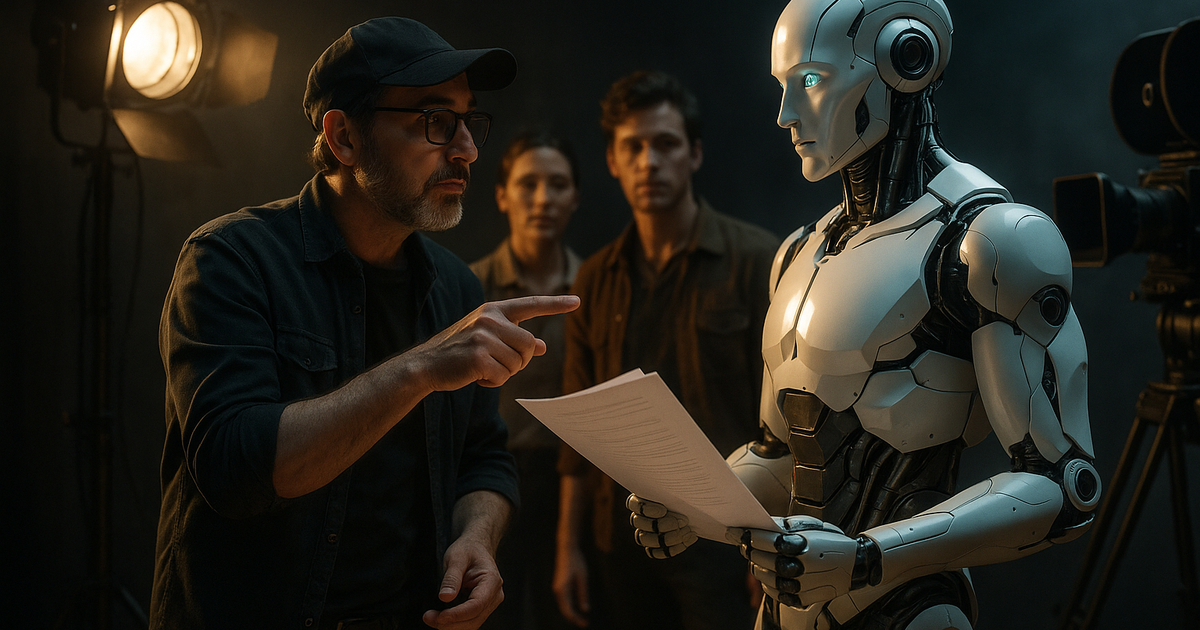
The Academy of Motion Picture Arts and Sciences has recently announced a groundbreaking decision: AI-generated actors and scripts will no longer be eligible for Oscars. This move marks a significant shift in the film industry's approach to artificial intelligence, reflecting growing concerns about the authenticity and integrity of cinematic art. As AI technology continues to evolve, its integration into creative fields has sparked debates about originality, authorship, and the future of human involvement in the arts.
In recent years, AI has made remarkable strides in generating realistic human-like performances and crafting coherent narratives. Tools like OpenAI's GPT series have demonstrated the ability to write scripts that are indistinguishable from those penned by human screenwriters. Similarly, deepfake technology has enabled the creation of digital actors who can perform scenes without the need for human counterparts. These advancements have opened up new possibilities for filmmakers but have also raised ethical and artistic questions.
The Academy's decision comes at a time when the boundaries between human and machine-generated content are becoming increasingly blurred. By setting clear guidelines that exclude AI-generated content from Oscar eligibility, the Academy aims to preserve the human element that lies at the heart of storytelling. This policy underscores the belief that the essence of cinema is rooted in human creativity, emotion, and experience, elements that AI, despite its capabilities, cannot authentically replicate.
This development is particularly relevant as the industry grapples with the implications of AI on employment and artistic expression. While AI can offer efficiencies and new creative tools, there is a growing concern that overreliance on technology could undermine the value of human contribution in filmmaking. The Academy's stance serves as a reminder of the importance of maintaining a balance between embracing technological innovation and preserving the human touch that defines the art of cinema.
The Rise of AI in Filmmaking
Artificial intelligence has been making inroads into various aspects of filmmaking, from scriptwriting to post-production. AI algorithms can analyze vast amounts of data to predict audience preferences, assist in editing by selecting the best takes, and even generate visual effects that would be time-consuming and costly if done manually. These applications have streamlined production processes and opened up new creative possibilities for filmmakers.
One notable example is the use of AI in script analysis. Companies like ScriptBook have developed algorithms that can predict a script's success by analyzing its structure, themes, and characters. This technology allows studios to make more informed decisions about which projects to greenlight, potentially reducing financial risks. However, it also raises questions about the homogenization of content and the potential stifling of creative risks that don't fit established patterns.
In the realm of visual effects, AI has enabled the creation of hyper-realistic CGI characters and environments. Deepfake technology, which uses machine learning to superimpose existing images and videos onto source material, has been employed to resurrect deceased actors or de-age performers for flashback scenes. While these techniques can enhance storytelling, they also blur the lines between reality and fabrication, challenging audiences' perceptions of authenticity.
Despite these advancements, the integration of AI into filmmaking has not been without controversy. Critics argue that an overreliance on technology can lead to a loss of the human touch that gives films their emotional depth and resonance. The fear is that AI-generated content may lack the nuances and imperfections that make human-created art relatable and meaningful.
Ethical and Artistic Implications
The use of AI in filmmaking raises several ethical and artistic concerns. One major issue is the question of authorship and intellectual property. If an AI writes a script or creates a performance, who owns the rights to that content? Traditional copyright laws are based on human authorship, and the introduction of AI-generated works challenges these legal frameworks.
Another concern is the potential impact on employment within the industry. As AI becomes capable of performing tasks traditionally done by humans, there is a risk of job displacement. Screenwriters, actors, editors, and other professionals may find their roles diminished or even rendered obsolete by machines that can perform their tasks more efficiently and at a lower cost.
Moreover, the authenticity of storytelling is at stake. Films have long been a medium for human expression, reflecting the complexities of the human experience. The use of AI to generate content raises questions about the depth and authenticity of these narratives. Can a machine truly capture the subtleties of human emotion and experience, or will AI-generated content always fall short of the richness that human creators bring to their work?
Industry Reactions and Future Outlook
The Academy's decision to ban AI-generated content from Oscar eligibility has elicited a range of reactions from industry professionals. Some applaud the move as a necessary step to protect the integrity of the art form and the livelihoods of those who work in the industry. They argue that while technology can be a valuable tool, it should not replace the human creativity that is central to filmmaking.
Others view the decision as a potential hindrance to innovation. They contend that AI can be a powerful ally in the creative process, offering new tools and perspectives that can enhance storytelling. By excluding AI-generated content from recognition, the Academy may be discouraging filmmakers from exploring these technologies and limiting the evolution of the medium.
Looking ahead, it is likely that the conversation around AI in filmmaking will continue to evolve. As technology advances, the industry will need to find ways to integrate AI that respect and preserve the human elements that make cinema a unique and powerful form of art. This may involve developing new ethical guidelines, updating legal frameworks, and fostering a dialogue between technologists and creatives to ensure that the use of AI enhances rather than diminishes the art of filmmaking.
Conclusion
The Academy of Motion Picture Arts and Sciences' decision to exclude AI-generated actors and scripts from Oscar eligibility marks a significant moment in the ongoing dialogue between technology and art. It highlights the need to carefully consider the implications of AI in creative fields and to establish boundaries that protect the authenticity and integrity of human expression. As the film industry continues to navigate this complex landscape, it will be essential to strike a balance that embraces innovation while honoring the human spirit that lies at the heart of storytelling.
FAQ
What prompted the Academy to ban AI-generated content from the Oscars?
The Academy's decision was driven by concerns about preserving the authenticity and integrity of cinematic art. As AI technology becomes more capable of generating realistic performances and scripts, there is a growing need to ensure that the human element remains central to storytelling.
How does AI currently impact the filmmaking process?
AI is used in various aspects of filmmaking, including script analysis, editing, visual effects, and audience prediction. These applications can streamline production and offer new creative tools but also raise questions about originality and the role of human creators.
What are the ethical concerns associated with AI in filmmaking?
Key ethical concerns include questions of authorship and intellectual property, potential job displacement for industry professionals, and the authenticity of AI-generated narratives. There is also the broader issue of how AI may influence the creative process and the uniqueness of human expression.
How has the industry reacted to the Academy's decision?
Reactions have been mixed. Some industry professionals support the decision as a means to protect the art form and human employment, while others worry it may stifle innovation and the exploration of new technologies in storytelling.
What does the future hold for AI in the film industry?
The future will likely involve ongoing discussions about integrating AI in ways that enhance filmmaking without compromising human creativity. This may include developing ethical guidelines, updating legal frameworks, and fostering collaboration between technologists and creatives to find a balanced approach.
Related Articles
Don't miss what ships next
The daily briefing on AI & tech, straight to your inbox.
Written by
Zach GreeneI write about the tools, trends, and breakthroughs shaping the future of AI, breaking down complex ideas into clear, actionable insights. From emerging startups to the latest in AI tech, I focus on what actually matters and what’s worth paying attention to. My goal is to help you stay ahead in a rapidly evolving space.