Academy Awards Ban AI-Generated Content: A New Era for Filmmaking
The Academy of Motion Picture Arts and Sciences announces a ban on AI-generated actors and scripts from Oscar eligibility, emphasizing the value of human creativity in filmmaking.
Get the daily AI & tech briefing.
Introduction
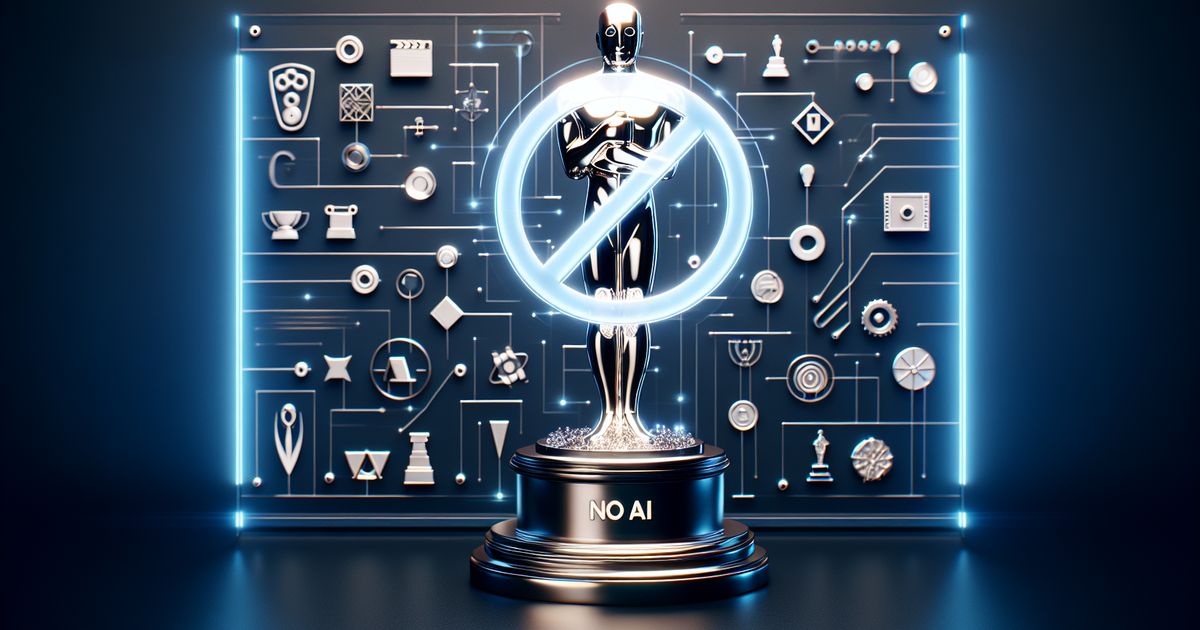
In a landmark decision, the Academy of Motion Picture Arts and Sciences has declared that AI-generated actors and scripts will no longer be eligible for Oscars. This move underscores the industry's commitment to preserving human creativity and addresses growing concerns about the role of artificial intelligence in filmmaking.
The Rise of AI in Filmmaking
AI's Role in Modern Cinema
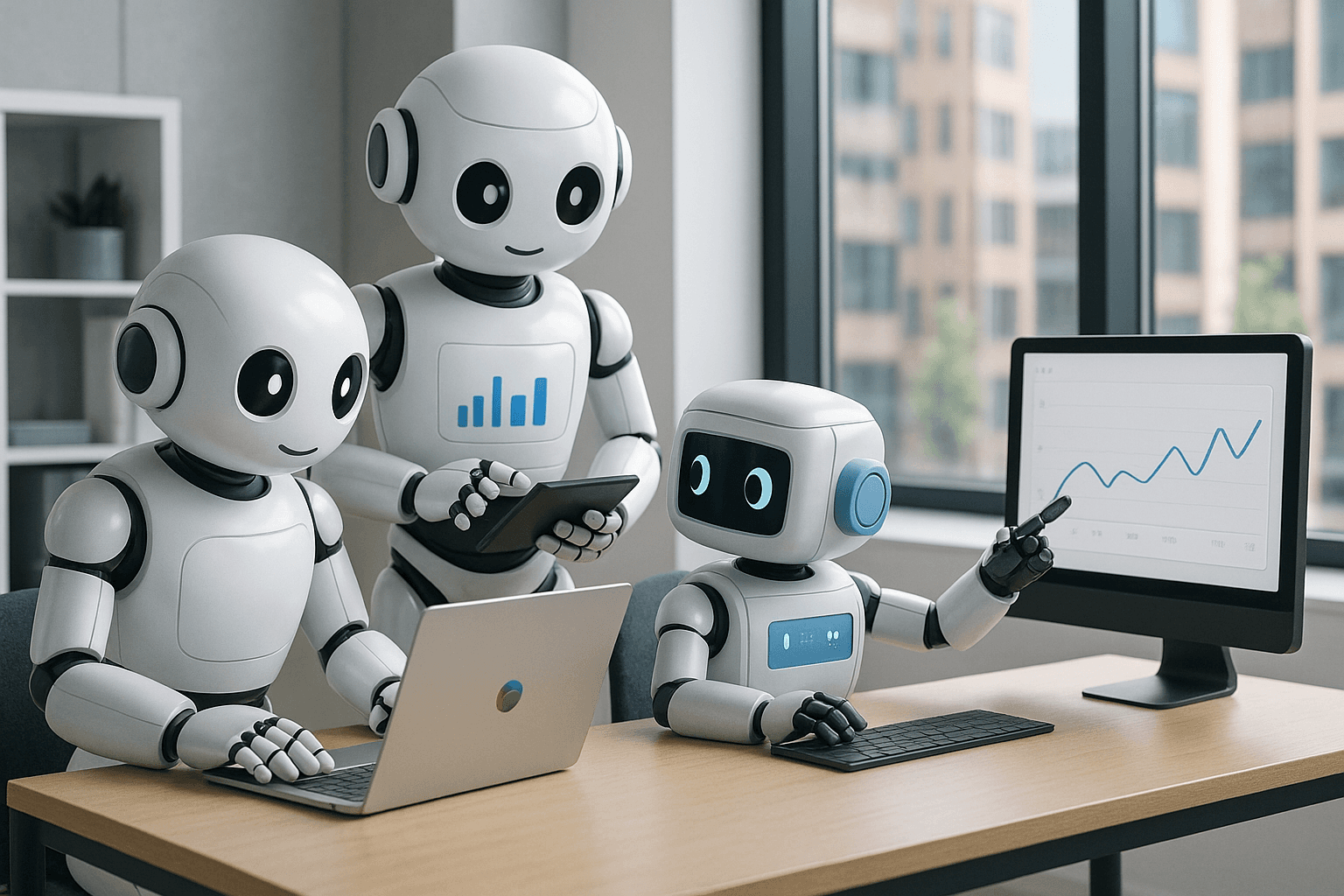
Artificial intelligence has increasingly infiltrated various aspects of film production, from scriptwriting to visual effects. AI algorithms can generate scripts, create realistic digital actors, and even direct scenes, offering filmmakers new tools to enhance storytelling.
Benefits and Challenges
While AI offers efficiency and cost-effectiveness, it also raises questions about originality, authorship, and the potential displacement of human talent. The use of AI-generated content challenges traditional notions of creativity and has sparked debates within the industry.
The Academy's Decision
Details of the Ban
The Academy's new rules specify that only performances by human actors and scripts authored by humans will be considered for Oscar nominations. This policy aims to maintain the integrity of the awards and honor genuine human artistic contributions.
Rationale Behind the Move
The decision reflects concerns about the authenticity of AI-generated performances and narratives. By excluding AI-generated content, the Academy seeks to protect the value of human creativity and ensure that the Oscars remain a celebration of human achievement in cinema.
Industry Reactions
Support from Filmmakers
Many filmmakers and industry professionals have expressed support for the Academy's decision, viewing it as a necessary step to safeguard the art of filmmaking. They argue that human experiences and emotions are central to storytelling and cannot be replicated by machines.
Criticism and Concerns
Conversely, some argue that the ban may stifle innovation and overlook the potential of AI as a collaborative tool in filmmaking. They advocate for a balanced approach that embraces technological advancements while preserving human involvement.
Implications for the Future
Impact on Film Production
The ban may influence how studios and filmmakers approach the use of AI in their projects. There could be a shift towards hybrid models that integrate AI tools without compromising human creativity.
Setting a Precedent
The Academy's stance may set a precedent for other film festivals and award bodies, prompting a broader industry-wide discussion on the role of AI in cinema and the boundaries of its application.
Conclusion
The Academy's decision to ban AI-generated actors and scripts from Oscar eligibility marks a significant moment in the intersection of technology and art. It highlights the industry's dedication to preserving human creativity and prompts ongoing dialogue about the ethical and artistic implications of AI in filmmaking.
FAQ
1. What prompted the Academy to ban AI-generated content?
The Academy aims to preserve human creativity and address concerns about the authenticity and originality of AI-generated performances and scripts.
2. Does the ban apply to all aspects of filmmaking?
The ban specifically targets AI-generated actors and scripts, ensuring that performances and narratives considered for Oscars are human-created.
3. How will this decision impact filmmakers using AI tools?
Filmmakers may need to reassess their use of AI, focusing on collaborative approaches that enhance human creativity without replacing it.
4. Are other award bodies expected to follow suit?
While it's uncertain, the Academy's decision may influence other organizations to consider similar policies regarding AI-generated content.
5. Can AI still be used in film production?
Yes, AI can still be utilized in various aspects of production, such as visual effects and editing, as long as it doesn't replace human actors or scriptwriters.
Related Articles
Don't miss what ships next
The daily briefing on AI & tech, straight to your inbox.
Written by
Zach GreeneI write about the tools, trends, and breakthroughs shaping the future of AI, breaking down complex ideas into clear, actionable insights. From emerging startups to the latest in AI tech, I focus on what actually matters and what’s worth paying attention to. My goal is to help you stay ahead in a rapidly evolving space.