Strategies for Implementing Efficient AI Agent Workflows
Explore strategic approaches for implementing efficient AI agent workflows and optimizing processes.

Get the daily AI & tech briefing.
Crafting Tailored AI Workflow Strategies for Maximum Efficiency
Implementing efficient AI agent workflows is crucial to maximizing productivity and achieving business goals. By meticulously planning each step, companies can optimize their processes and drive greater organizational value. In this article, we'll explore various strategies to improve AI workflows, link them to workflow optimization, and discuss the selection of appropriate tools for effective integration.
Understanding the Importance of Custom AI Workflow Strategies
Strategically implementing AI workflows involves creating a tailored approach that aligns with specific organizational needs. Companies often face challenges such as legacy systems, diverse data sources, and varied user requirements. By developing bespoke strategies, organizations can ensure that their AI integration complements their existing processes rather than disrupting them. For more on overcoming these challenges, see Common Challenges in AI Agent Workflows and How to Overcome Them.
Identifying Key Objectives for AI Implementation
Before deploying AI agents, it is essential to identify the core objectives your organization aims to achieve. Are you looking to increase efficiency, reduce costs, or unlock new insights from your data? By clearly defining these objectives, you can craft a strategic approach that leverages AI's strengths while addressing your specific needs.
Mapping Out AI Workflow Processes
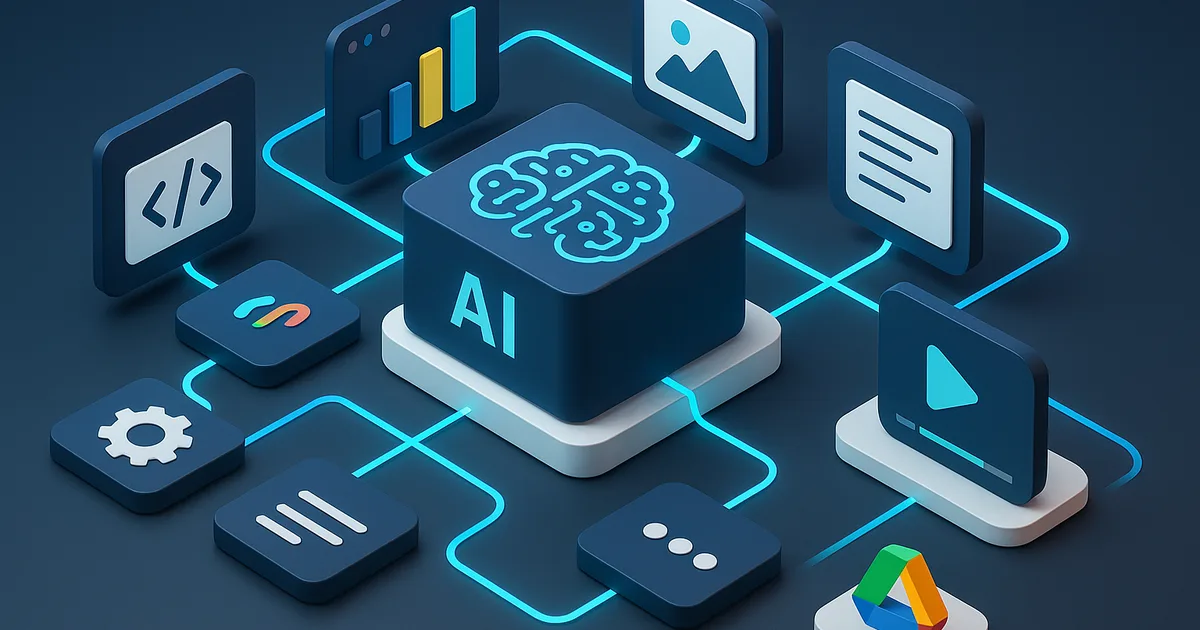
A well-defined workflow map clarifies each step of the AI process. It should include data collection, preprocessing, model training, deployment, and monitoring. Visualizing these processes helps identify bottlenecks and streamline operations. By implementing a systematic approach, companies can minimize disruptions and ensure a smooth rollout. This is part of building effective AI agent workflows, as discussed in the hub article.
Selecting the Right AI Tools for Your Needs
Utilizing the right tools can significantly impact workflow efficiency. Consider factors such as scalability, integration capabilities, and support when choosing AI tools. Popular platforms like TensorFlow, PyTorch, and Microsoft Azure offer diverse functionalities. Determining which tools best fit your requirements involves assessing not only current needs but also potential future expansions. For more insights, refer to Top Tools for Creating AI Agent Workflows.
AI Tool | Best Used For | Key Features |
|---|---|---|
TensorFlow | Deep learning models | High scalability |
PyTorch | Research and development | Dynamic computation graphs |
Microsoft Azure | Cloud-based solutions | Integrated AI services |
Ensuring Data Integrity and Quality
AI models rely heavily on data quality. Ensuring that data is clean, consistent, and free from bias is critical for reliable AI output. Implement data cleaning protocols and use automated tools to maintain integrity. This step not only enhances AI performance but also builds trust among stakeholders by delivering accurate results.
Training AI Agents with Precision
Training is a pivotal stage where AI models learn to perform tasks efficiently. Utilizing labeled datasets, companies can fine-tune model performance. Continuous evaluation and retraining ensure that AI agents adapt to evolving business and market conditions. Tailoring training regimens based on task specificity maximizes the effectiveness of AI deployment.
Integrating AI Seamlessly into Existing Systems
One of the significant challenges organizations face is integrating AI solutions into existing systems. Employ API-driven approaches to ensure flexibility. This method allows different systems to communicate without extensive overhauls. By integrating seamlessly, companies can enhance functionality while maintaining continuity.
Monitoring and Optimizing AI Workflow Efficiency
Once AI workflows are in place, ongoing monitoring is vital. Use performance metrics to assess efficiency and identify areas for improvement. Employ AI optimization strategies such as adjusting algorithms based on real-world results. Regular audits can prevent long-term inefficiencies and keep AI operations aligned with the organization's evolving goals.
Cultural Integration and Change Management
Introducing AI involves cultural shifts within organizations. Empower teams by providing training and fostering a culture of innovation. Addressing concerns and highlighting AI's benefits can mitigate resistance and accelerate adoption. A strategic change management plan smooths the transition, enabling maximum receptivity.
Conclusion
Implementing efficient AI workflows requires a strategic approach encompassing clear objectives, the right tools, and ongoing optimization. By focusing on data integrity, seamless integration, and cultural readiness, organizations can unlock the full potential of AI. These efforts will not only drive productivity but also position companies at the forefront of technological innovation.
Related Articles



Don't miss what ships next
The daily briefing on AI & tech, straight to your inbox.
Written by
Vunsh MehtaI’m a computer science student and developer focused on AI, automation, and emerging tech. I write about AI news, tools, and trends from a practical, builder-focused perspective.