Microsoft Built 7 AI Models Without OpenAI - What Project Polaris Means for Copilot Users
Discover the impact of Microsoft's Project Polaris on Copilot users and what this shift from OpenAI's models means for Microsoft's ecosystem.
Get the daily AI & tech briefing.
Microsoft Built 7 AI Models Without OpenAI - What Project Polaris Means for Copilot Users
Microsoft has taken a significant step forward with the unveiling of Project Polaris. This move, set to change the landscape for Copilot users, sees Microsoft introducing its own homegrown AI coding models. These models will replace the GPT-4 Turbo as the default for all Copilot subscribers starting August 2026. The decision marks a bold departure from reliance on OpenAI, with implications for every Microsoft 365 and GitHub Copilot user. Let's dive into what Project Polaris is and what it means for you.
Understanding Project Polaris: Microsoft's In-House AI Model
Project Polaris is Microsoft's latest venture into developing proprietary AI models. Unlike their previous collaborations, Microsoft's team has designed these models from the ground up. The development involved more than 1,000 engineers across the globe, ensuring cutting-edge advancements in natural language processing and machine learning. The aim was to craft an AI model specifically tailored to integrate seamlessly with Microsoft’s services. By focusing on particular needs of Microsoft users, Polaris promises to deliver a more cohesive and responsive experience.
Not only does this shift empower Microsoft with more control over its AI products, but it also positions them as a direct competitor to OpenAI. Given Microsoft's substantial investment and influence in AI, Project Polaris is sure to attract significant attention from the tech community.
How Polaris Improves Microsoft 365 and GitHub Copilot Integration
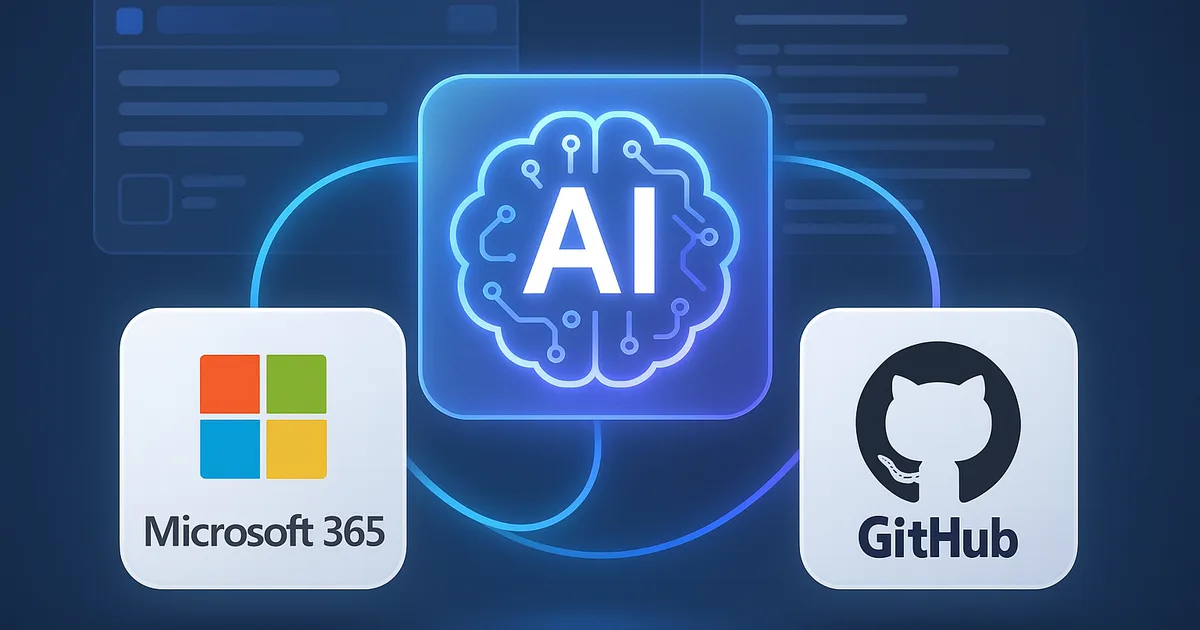
For users of Microsoft 365 and GitHub Copilot, the switch to Polaris will bring valuable enhancements. This integration allows for deeper personalizations, thanks to the models' ability to learn from users' patterns and preferences. By leveraging the extensive data from Microsoft’s existing tools, Polaris can offer more accurate and reliable code suggestions.
Furthermore, Polaris is designed to work efficiently within Microsoft's ecosystem, ensuring smoother functionality across platforms. This coherence opens up new possibilities for collaborative projects, where different Microsoft tools are used side-by-side. Users can expect reduced latency and faster processing speeds when working on complex coding tasks.
The Technical Architecture Behind Project Polaris
Polaris is built on an innovative technical framework that Microsoft developed to optimize AI processes. Unlike previous models that relied heavily on external libraries, Polaris utilizes a customized architecture focusing on modularity and scalability. This design makes it highly adaptable to operations of varying complexity and size within Microsoft applications.
A key feature of Polaris is its use of advanced contextual learning algorithms. These algorithms power the model's ability to understand nuances in user instructions, a crucial factor in enhancing coding assistance. The model's training involves vast datasets sourced from Microsoft's repositories, augmenting its ability to provide context-aware responses.
Why Microsoft Chose to Develop In-House AI
The decision to pivot from using OpenAI’s models stems from a strategic effort to gain more autonomy over proprietary technology. For Microsoft, relying on third-party AI posed limitations in customization and scalability. By investing in in-house solutions like Polaris, Microsoft can craft AI models that are more aligned with their long-term goals.
This move also reflects Microsoft's ambition to further cement its standing as a leader in AI technology. Controlling every aspect of their AI solutions ensures they can innovate without restriction, responding more swiftly to user feedback and market demands. It also helps mitigate concerns over data privacy by limiting external dependencies.
Comparative Advantage of Polaris Over GPT-4 Turbo
While GPT-4 Turbo was acclaimed for its capabilities, Polaris promises distinct advantages for Microsoft users. By being specifically calibrated for Microsoft products, Polaris achieves higher performance benchmarks on tasks relevant to these systems. Its seamless integration across Microsoft's suite means better overall user experiences.
Moreover, Polaris exhibits superior adaptability when it comes to updates and improvements. With Microsoft managing both the deployment and enhancements, users see regular updates that continuously refine the model's performance. This contrasts with third-party dependencies where updates might lag or be less frequent.
Feature | GPT-4 Turbo | Project Polaris |
|---|---|---|
Integration | Limited outside OpenAI | Seamless within Microsoft |
Customization | Restricted | High flexibility |
Data Privacy | Shared with OpenAI | Internal Microsoft only |
Update Frequency | Periodic | Continuous |
Implications for Developers Using GitHub Copilot
For developers, Project Polaris signals a significant shift in using AI co-pilot tools. As the primary backbone behind GitHub Copilot, Polaris offers developers improved code suggestions and auto-completion capabilities. The advanced contextual understanding enables it to predict more efficiently, reducing the workload on developers.
Code efficiency and accuracy are expected to rise, as developers receive code solutions that align more closely with Microsoft's frameworks and best practices. Developers working on cross-platform projects will notice enhanced compatibility and less friction when integrating components.
Feedback and Initial Reactions from the Tech Community
The tech community has reacted with a mix of excitement and skepticism. On one hand, the promise of more customized AI models resonates well with Microsoft’s user base. Developers are particularly enthusiastic about the potential for more accurate and efficient coding processes.
However, there are concerns about the transition process and the learning curve involved with adopting a new AI infrastructure. Some users worry about possible bugs or issues during the initial rollout. In response, Microsoft has committed to providing extensive support and resources to assist users during the transition.
FAQs About Microsoft Project Polaris AI Model Copilot
What is Microsoft Project Polaris?
Project Polaris is a homegrown AI model developed by Microsoft to replace GPT-4 Turbo as the backbone for Microsoft 365 and GitHub Copilot. It’s designed to be more efficient and tailored to users within Microsoft’s ecosystem.
How will Project Polaris benefit Microsoft users?
Users will experience better integration with Microsoft products, more reliable and accurate code suggestions, and enhanced functionality thanks to Polaris's advanced learning algorithms and contextual understanding.
When will Polaris be available to users?
Polaris is set to become the default AI model for all Copilot subscribers starting August 2026, with early access and trial phases expected prior to the full rollout.
Why did Microsoft choose to create its own AI model?
Microsoft developed Polaris to gain greater control over its AI technology, allowing for better customization, data security, and integration with its products. It reflects their strategic shift towards in-house innovation.
What challenges might arise with this transition?
Possible challenges include adapting to the new model's workings and encountering initial rollout glitches. Microsoft plans to mitigate these by offering robust user support and resources.
Related Articles



Don't miss what ships next
The daily briefing on AI & tech, straight to your inbox.
Written by
Zach GreeneI write about the tools, trends, and breakthroughs shaping the future of AI, breaking down complex ideas into clear, actionable insights. From emerging startups to the latest in AI tech, I focus on what actually matters and what’s worth paying attention to. My goal is to help you stay ahead in a rapidly evolving space.