The Jobs AI Is Actually Taking in 2026 - And the Ones It Cannot Touch Yet
Explore the shifting landscape of jobs in 2026 as AI takes over some roles while leaving others untouched.
Get the daily AI & tech briefing.
Understanding the Rise of AI in 2026
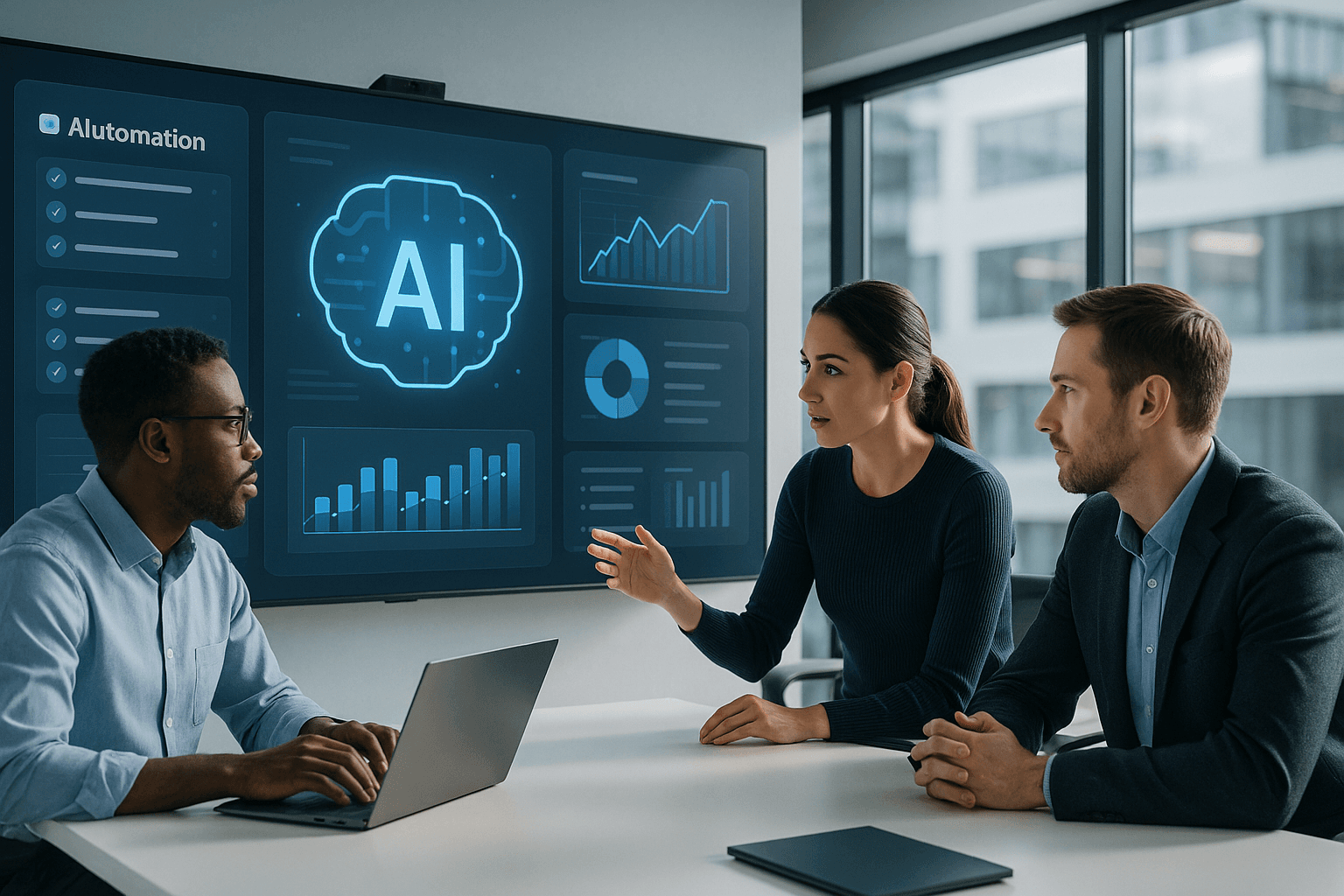
The year 2026 has become a hallmark period for AI as its influence on the job market intensifies. AI systems like OpenClaw, Codex, and Devin are not just abstract concepts; they are actively being deployed in real-world scenarios. An entrepreneur's successful use of these AI agents to manage inboxes, launch features, and drive outbound sales highlights this transformation. The increasing capability of AI to manage tasks that once required human intervention illustrates a significant shift from previous years.
Real-World Evidence of AI Replacing Jobs
There is tangible proof that AI is replacing certain job roles. Industries such as customer service are witnessing AI chatbots solving issues that previously needed human agents. Moreover, manufacturing is increasingly automated, with robotics taking on assembly line tasks. Codex, a tool from OpenAI, is being utilized to automate coding tasks, showcasing its potential to replace junior-level developer roles. This real-world application provides strong evidence that job displacement is no longer theoretical.
Jobs Most Affected by AI in 2026
Some jobs are more susceptible to AI replacement than others. Routine and repetitive tasks in data entry, customer support, and basic financial analysis are increasingly automated. AI's proficiency in processing large datasets efficiently makes these roles particularly vulnerable. OpenClaw and Devin are examples where AI takes over administrative tasks, showcasing a tangible shift in these sectors. The streamlining of such jobs not only enhances efficiency but also reduces costs for businesses.
Why Certain Jobs Are Safe For Now
Despite AI’s rapid growth, many jobs remain safe as of 2026. Positions requiring complex decision-making, creativity, and emotional intelligence are less susceptible to automation. For instance, roles in counseling, creative design, and strategic planning still require human insight and experience. AI's current limitations in replicating human empathy and nuanced understanding ensure these jobs remain intact for the foreseeable future.
The Role of AI in Enhancing Current Job Roles
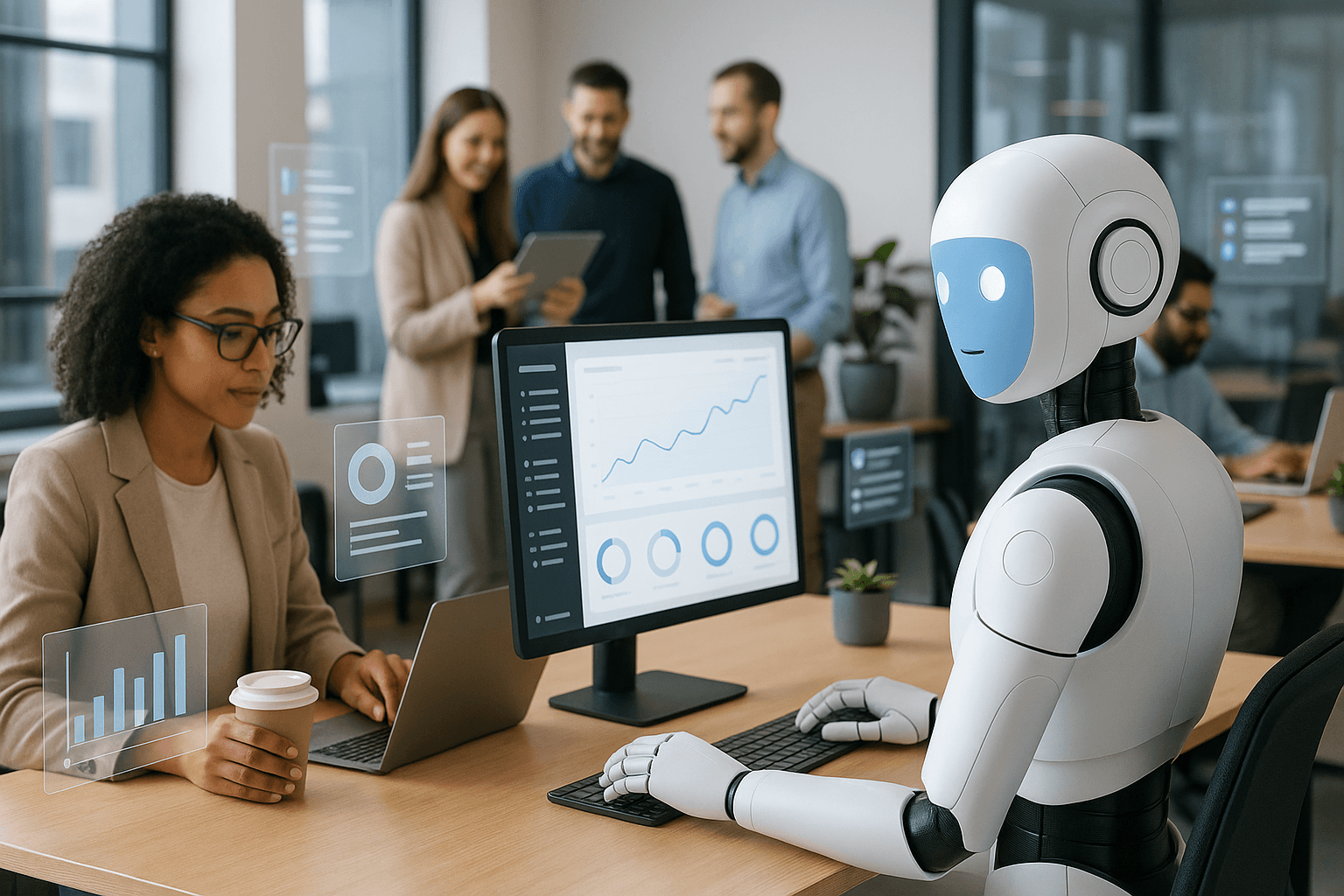
AI is not just replacing jobs; it’s also enhancing them. By handling mundane tasks, AI allows professionals to focus on more strategic elements of their work. In healthcare, AI diagnostics support doctors by analyzing vast medical datasets, enhancing their ability to diagnose diseases correctly. Similarly, AI in marketing can analyze consumer data trends, providing marketers with insights to develop targeted campaigns. This symbiotic relationship highlights AI as a tool for productivity, rather than a replacement.
Preparing for the Future Job Market
Understanding these trends is crucial for workers preparing for the future job market. Skills such as emotional intelligence, creative problem-solving, and strategic thinking are increasingly valuable. Emphasizing continuous learning and adaptability, workers can future-proof their careers. Organizations also play a role by providing training opportunities that allow employees to upskill and remain relevant in an evolving job landscape.
The Psychological Impact of AI's Rise in Employment
The possibility of job loss to AI technology has sparked considerable anxiety among workers. This fear underscores the need for a balanced perspective on AI’s role in employment. By focusing on how AI creates new roles and industries, rather than solely on displacement, workers can better strategize for their professional futures. Providing reassurance and comprehensive understanding can transform apprehension into excitement about the potential for growth and innovation.
What industries are most impacted by AI in 2026?
AI significantly impacts industries involving routine tasks like manufacturing, customer service, and data analysis. These sectors experience increased automation, resulting in changes to traditional job roles.
Can AI create new job opportunities in 2026?
Yes, AI creates new roles in areas such as AI development, oversight, and ethics. Supporting roles that involve maintaining and enhancing AI systems are also on the rise.
How should workers adapt to AI advancements?
Workers should focus on developing skills that AI cannot replicate, like creativity and empathy, and engage in continuous learning to adapt to technological changes.
What are the limitations of AI in replacing jobs?
AI currently struggles with tasks that require deep emotional intelligence, complex decision-making, and creative thinking. These limitations make such jobs safe from automation for now.
How can businesses leverage AI without massive job losses?
Businesses can use AI to enhance productivity and creativity, allowing human employees to focus on strategic tasks. Offering retraining and upskilling opportunities helps integrate AI without large-scale job displacement.
Related Articles
Don't miss what ships next
The daily briefing on AI & tech, straight to your inbox.
Written by
Zach GreeneI write about the tools, trends, and breakthroughs shaping the future of AI, breaking down complex ideas into clear, actionable insights. From emerging startups to the latest in AI tech, I focus on what actually matters and what’s worth paying attention to. My goal is to help you stay ahead in a rapidly evolving space.