How AI Agents Are Changing the Way People Work in 2026
Explore how AI agents are reshaping productivity in 2026, acting as teammates and enhancing decision-making in daily work.

Get the daily AI & tech briefing.
How AI Agents Are Changing the Way People Work in 2026
Artificial Intelligence (AI) agents have become more than mere tools - they have transformed into essential teammates in the workplace of 2026. Their role in daily work and decision-making is revolutionizing how we approach productivity, collaboration, and creativity. This guide explores how AI agents for productivity in 2026 are the hottest topic in AI, changing the landscape of work like never before.
AI Agents as Collaborative Teammates in Modern Workplaces
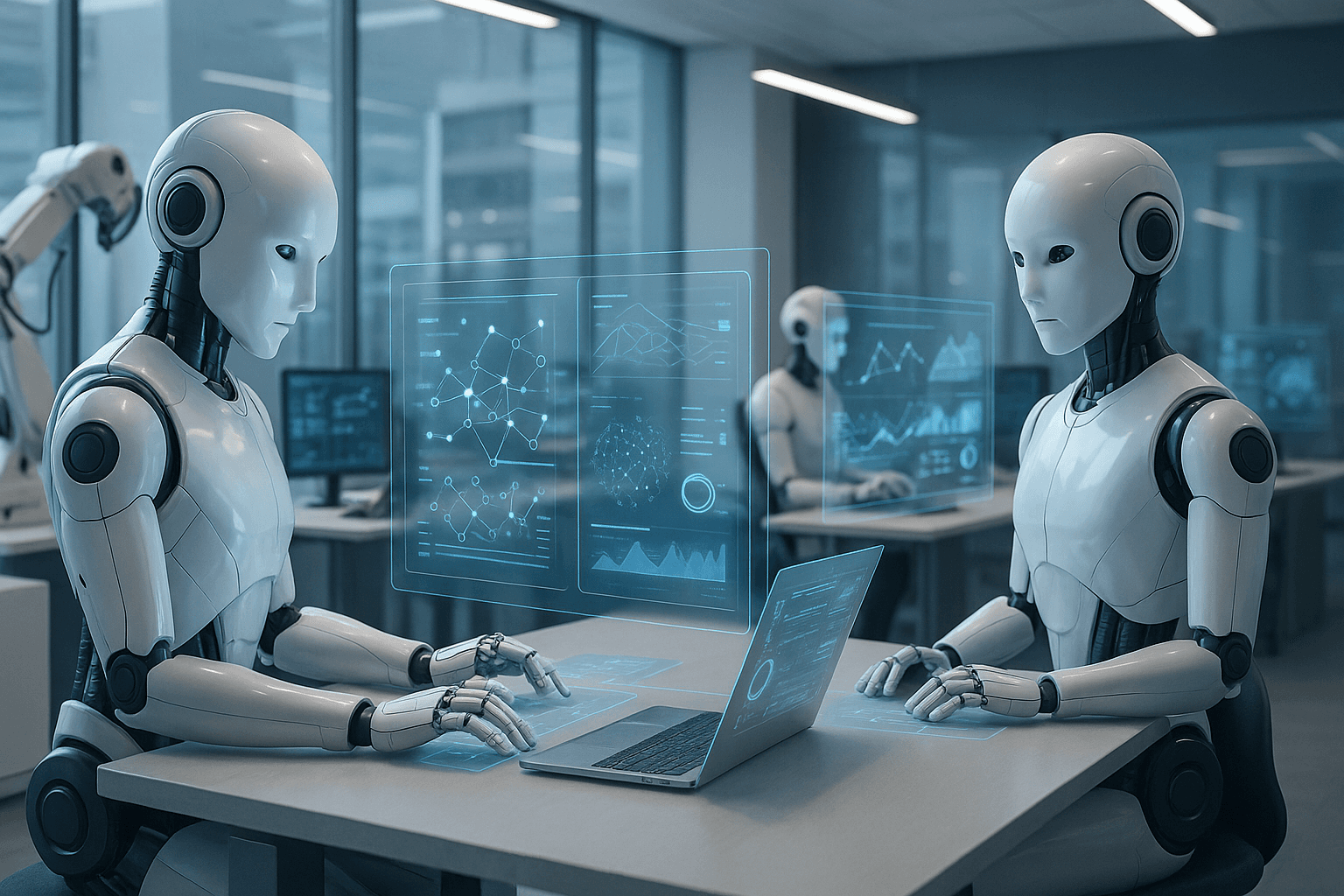
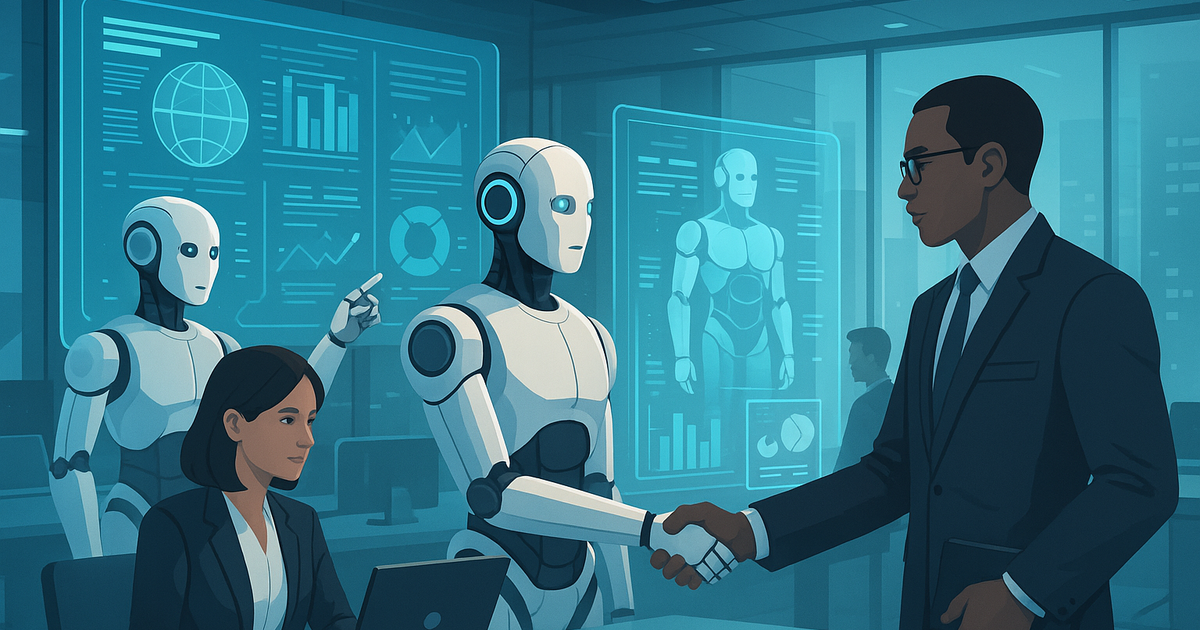
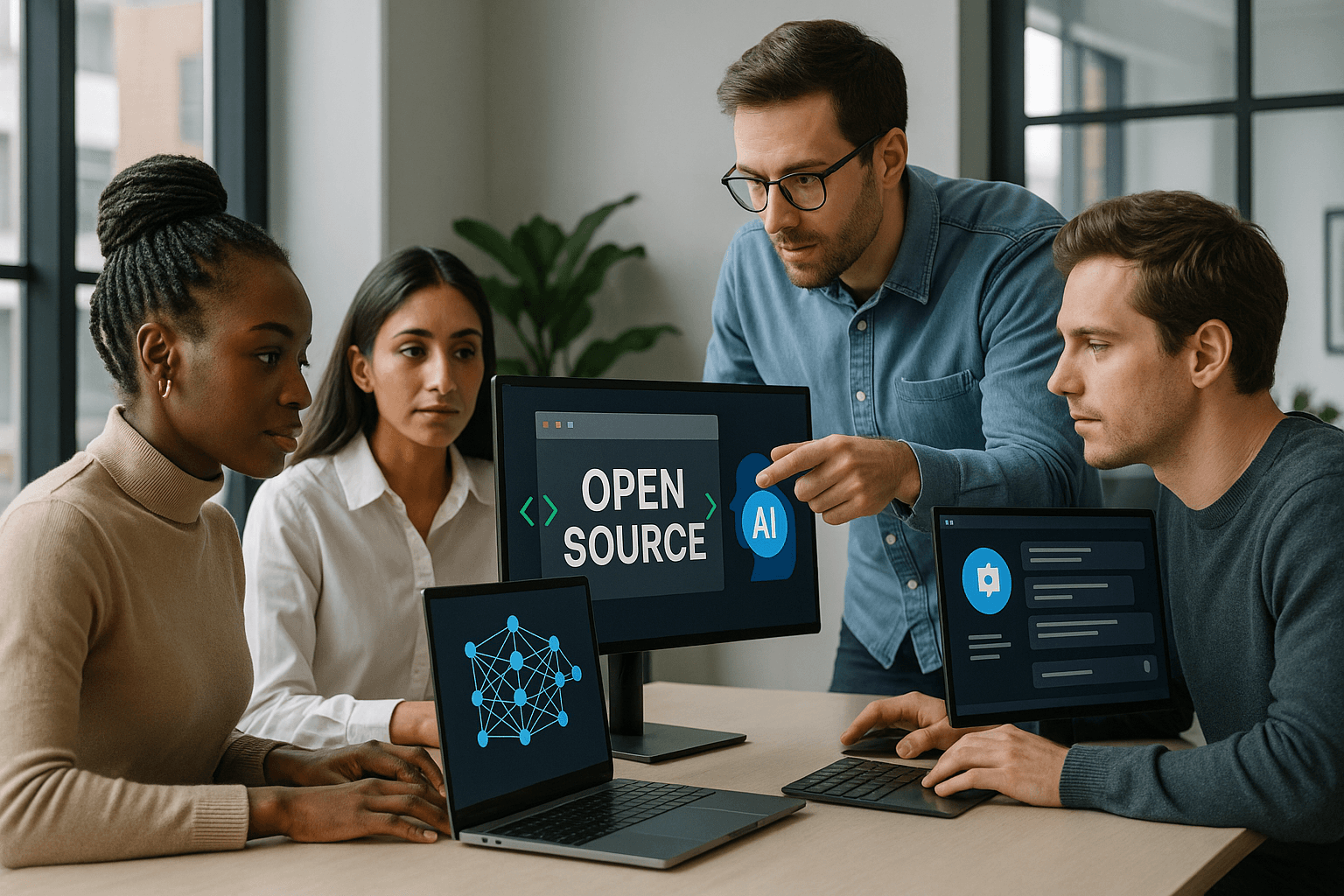
In 2026, AI agents have evolved from basic automation tools to collaborative teammates. Instead of merely executing predefined tasks, these agents are engaging with employees, offering creative solutions and providing insights that drive business goals. They can understand context, pick up nuances in human communication, and contribute to brainstorming sessions, much like a human colleague would.
Tools like OpenAI's advancements and Google's AI innovations are leading this change. They are designed to interact naturally with human workers, understanding complex requirements and contributing meaningfully to tasks. This transformation is creating an environment where human creativity and AI efficiency complement each other, boosting overall productivity.
Organizations witnessing this shift report a noticeable increase in team efficiency due to AI's ability to automate mundane tasks while adding value to creative processes. Employees are focusing more on strategic activities, which is enhancing job satisfaction and motivation. Companies are recognizing AI agents as a strategic investment rather than just an operational tool.
How AI Agents for Productivity Are Enhancing Decision-Making
The role of AI agents in decision-making has grown exponentially. By analyzing vast amounts of data quickly and accurately, AI agents provide actionable insights, helping managers make informed decisions. In 2026, AI's ability to predict trends and assess risks is indispensable across various industries.
AI tools like IBM's Watson and Microsoft's Azure AI are used extensively in finance, healthcare, and retail. For example, banks leverage AI for risk assessment and fraud detection, while healthcare professionals use AI to analyze patient data and suggest treatment plans. Retailers use AI to understand consumer behavior better and optimize inventory levels.
The reliance on AI agents for critical decision-making also introduces challenges related to data privacy and ethics. However, advanced security protocols and regulations are being developed to mitigate these concerns. Understanding how to balance human judgment with AI recommendations is key to leveraging AI productively and responsibly.
AI Agents as Personal Productivity Coaches: A New Era
AI agents in 2026 act as personal productivity coaches, customizing strategies to individual work styles. They employ machine learning to recognize patterns in daily routines and suggest improvements that can save time and effort. For example, AI platforms like Todoist AI and Notion's AI assistant analyze task management behaviors to optimize workflow.
These agents are not just suggesting productivity hacks; they are providing real-time feedback and motivation. By helping users prioritize tasks, set realistic goals, and track progress efficiently, AI agents empower workers to achieve more without burning out.
AI's adaptability allows these agents to cater to diverse work environments - whether remote, hybrid, or on-site. The effectiveness of AI as a personal productivity enhancer makes it an essential part of the modern work toolkit.
Redefining Team Collaboration with AI Agents
AI agents have fundamentally redefined team collaboration by improving communication and workflow management. Tools like Slack with AI agents and Trello's AI-powered integrations facilitate seamless collaboration by assigning tasks, monitoring progress, and ensuring deadlines are met.
Improved language processing allows AI agents to act as mediators in multicultural teams, interpreting and translating different languages effortlessly. This enhances global collaboration among teams spread across different geographies, fostering a more connected and productive work environment.
By learning from team interactions, AI agents are also suggesting collaboration improvements that minimize misunderstandings and enhance productivity. The ongoing collaboration between AI and human teams is not only increasing efficiency but also fostering innovation.
Exploring AI Agents as Ethical Advisors
Beyond productivity, AI agents in 2026 serve as ethical advisors, helping organizations navigate complex moral landscapes. As companies face increasing scrutiny over ethical practices, AI agents offer guidance based on predefined ethical frameworks and real-time analysis of social sentiment.
AI platforms like EthicalOS and IBM's AI Ethics Advisor provide organizations with the tools necessary to ensure compliance with ethical standards. They highlight potential ethical dilemmas, offer solutions, and ensure that decisions align with company values and societal norms.
The integration of AI as ethical advisors is driving companies to adopt more transparent and responsible practices. By maintaining ethical integrity, businesses are building trust with consumers, enhancing brand reputation, and securing a sustainable future.
Practical Applications and Real-World Impact of AI Agents in 2026
The practical applications of AI agents are vast, influencing sectors such as education, healthcare, logistics, and more. In education, platforms like Coursera use AI tutors to provide personalized learning experiences, adapting to student needs and pacing.
In healthcare, AI is revolutionizing patient care by assisting with diagnostics and treatment planning. Autonomous vehicles powered by AI are optimizing logistics and supply chains, reducing costs and increasing efficiency.
The success stories from diverse industries illustrate the tangible benefits of AI agents. They are not just theoretical models but integral parts of the operational framework, revolutionizing how industries operate and innovate.
How Companies Can Successfully Integrate AI Agents
Integrating AI agents effectively involves a strategic approach, focusing on alignment with business objectives and cultural adaptation. Companies must identify specific areas where AI can add the most value and implement gradual integration to ensure smooth transitions.
Training and upskilling employees to work alongside AI is also essential. Understanding the capabilities and limitations of AI fosters collaboration between technology and human creativity. Pilot programs and continuous feedback loops are crucial in refining AI applications to suit organizational needs.
By planning carefully and fostering an AI-positive culture, companies can leverage AI agents to boost productivity, drive innovation, and maintain competitiveness in a rapidly evolving technological landscape.
Frequently Asked Questions
How are AI agents improving workplace productivity in 2026?
AI agents enhance productivity by automating repetitive tasks, providing insights for decision-making, and customizing productivity strategies to individual work styles. Their ability to collaborate and innovate alongside human workers transforms traditional workflows.
What are some examples of AI agents acting as teammates?
AI agents like OpenAI's systems and Google's innovations engage with employees in tasks such as brainstorming, process optimization, and providing strategic insights. They act as collaborative teammates rather than just task executors.
Can AI agents make ethical decisions in the workplace?
Yes, AI agents in 2026 can act as ethical advisors, helping companies navigate moral challenges by using platforms like EthicalOS. They provide guidance aligned with predefined ethical standards and monitor compliance.
How are AI agents contributing to decision-making?
AI agents use advanced data analytics to predict trends and assess risks, providing managers with actionable insights. Tools like IBM Watson and Microsoft's Azure AI enhance decision-making in finance, healthcare, and retail sectors.
What are the challenges in integrating AI agents into businesses?
The main challenges include ensuring data privacy, ethical compliance, and seamless integration into existing workflows. Companies must strategically plan integration and train employees to work alongside AI to unlock its full potential.
Related Articles

Don't miss what ships next
The daily briefing on AI & tech, straight to your inbox.
Written by
Vunsh MehtaI’m a computer science student and developer focused on AI, automation, and emerging tech. I write about AI news, tools, and trends from a practical, builder-focused perspective.