Future Trends in AI Workflow Development
Explore emerging trends in AI workflow development, including automation, edge AI, quantum computing, and more innovative integrations.
Get the daily AI & tech briefing.
Why AI Workflow Development Is Evolving Rapidly
Artificial Intelligence workflows are becoming more sophisticated by the day. They are the backbone of many modern applications, enabling automation, prediction, and personalization. As businesses demand smarter and faster systems, the evolution of AI workflow development becomes pivotal. Let's explore how these workflows are set to change the landscape of technology.
The Impact of Automation on AI Workflows
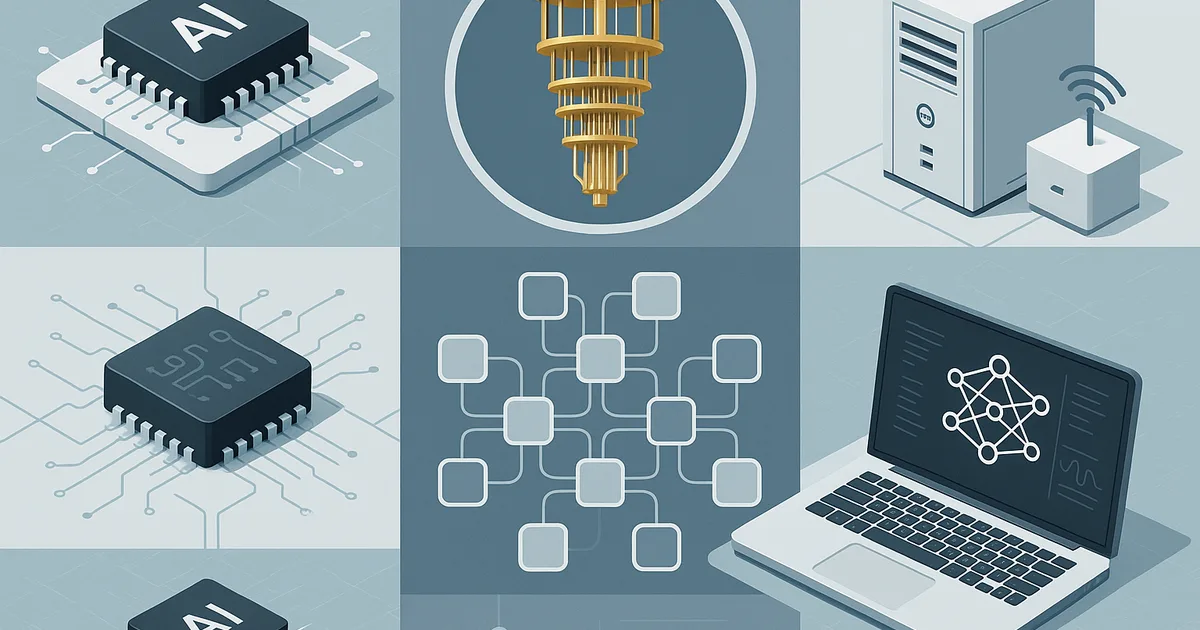
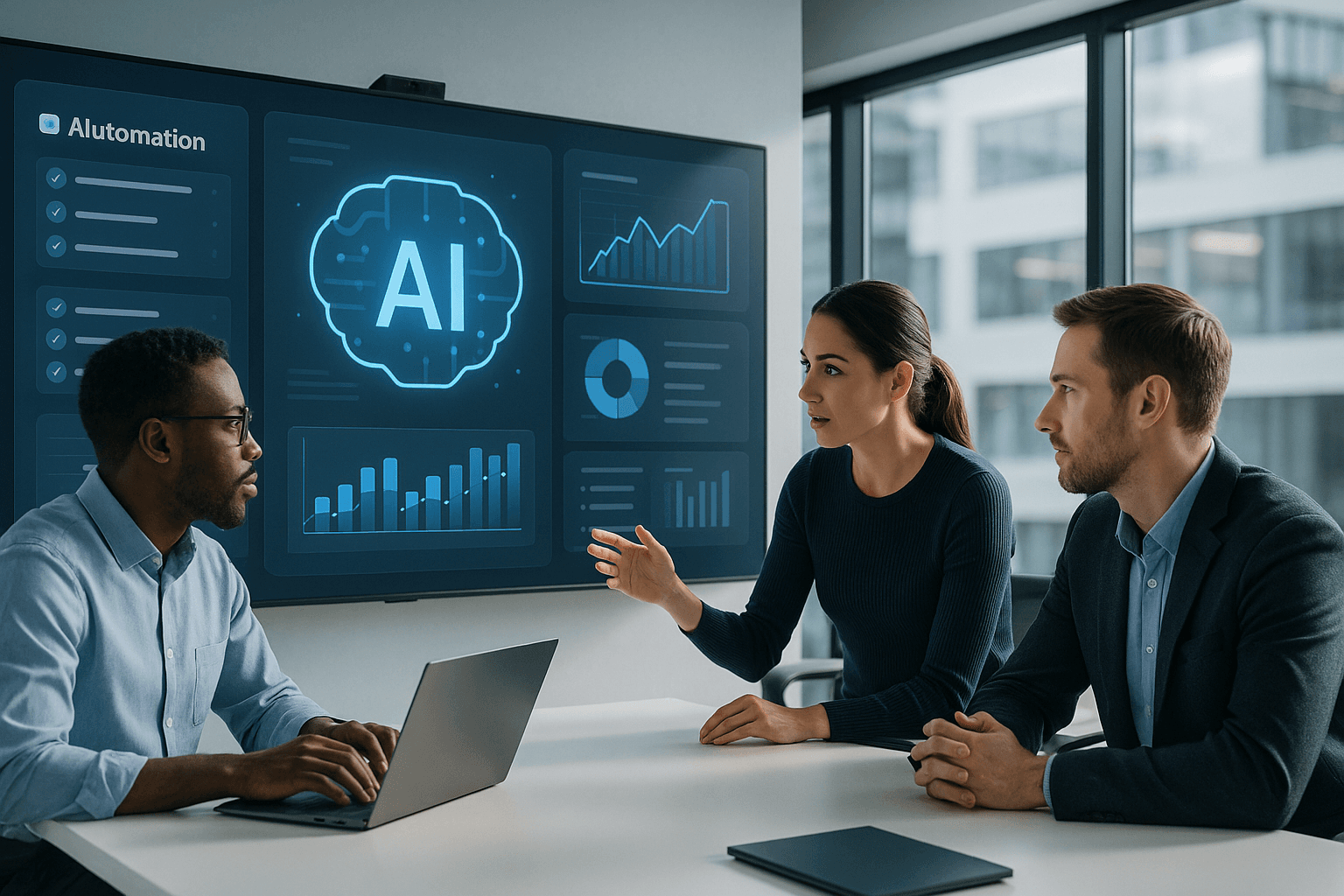
Automation is increasingly transforming how AI workflows are crafted and executed. Tools like AutoML are allowing developers and non-specialists to create models without deep AI expertise. As automation in AI continues to grow, workflows are expected to become more streamlined. This means reduced development time and a lower cost barrier for companies looking to implement AI solutions. To further understand the tools contributing to this transformation, explore Essential Tools for AI Workflow Optimization.
Integration of Quantum Computing in AI Development
Quantum computing is no longer a futuristic dream. It's starting to make waves in the way AI workflows are developed. By handling complex calculations at exponential speeds, quantum computing can enhance AI's capabilities significantly. Developers are now exploring frameworks that integrate quantum algorithms to supercharge AI models, making tasks like optimization and simulation more efficient than ever. For strategies on integrating innovative technologies like quantum computing, see Strategies for Seamless AI Workflow Integration.
The Rise of Edge AI in Workflow Innovations
Edge AI is reshaping where and how data is processed. Rather than relying solely on cloud computing, data is processed on devices closer to where it is generated. This trend reduces latency, enhances privacy, and improves real-time decision-making. Edge AI is driving workflow innovations that allow faster and localized responses, which are crucial for industries like healthcare and autonomous vehicles.
Collaborative AI Systems and Their Future Directions
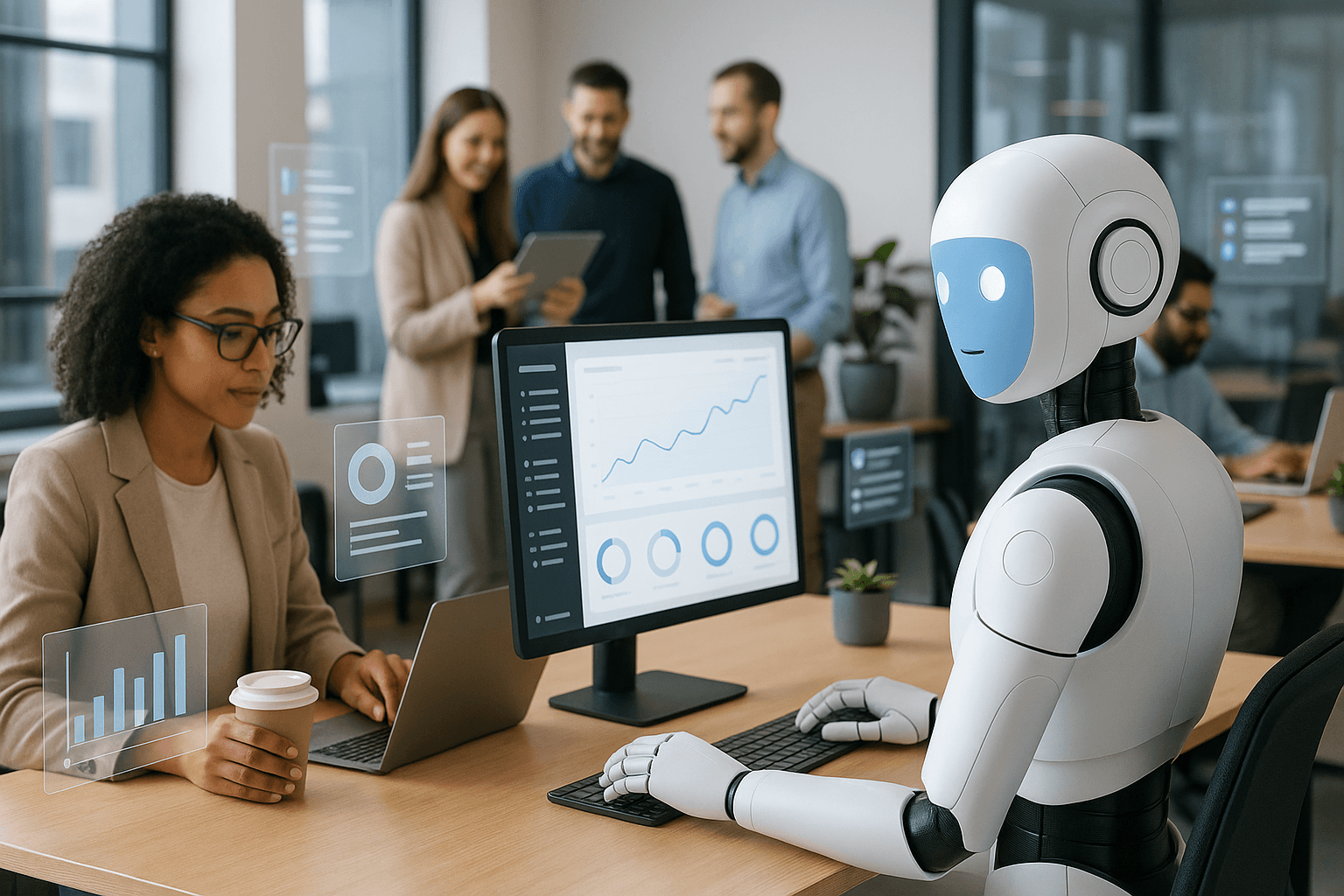
AI systems are becoming increasingly collaborative, leading to hybrid models that leverage multiple AI agents working in unison. Facing complex, real-world problems, such systems are a step toward achieving more flexible and robust workflows. This collaboration can result in improved efficiency, accuracy, and the ability to handle diverse sets of tasks more naturally.
Exploring AI Workflow Modularity and Microservices
Modular AI design and microservices are gaining traction as vital workflow components. By breaking down AI systems into smaller, manageable units, developers can build and deploy AI models that are more scalable and maintainable. This approach allows for updates and changes to be made with minimal disruption, fostering an environment of continual innovation, as discussed in Best Practices for Scalable AI Workflows.
Enhanced Security Measures in AI Workflow Development
With AI systems becoming more pervasive, security has moved to the forefront of workflow development. Implementing AI-specific security protocols is crucial to protect sensitive data and models. New trends are focusing on privacy-preserving AI techniques like federated learning and differential privacy, ensuring robust protection against data breaches.
Ecosystem Synergy - AI, IoT, and Blockchain
The convergence of AI with IoT and blockchain is creating a new dynamic in workflow development. This synergy offers enhanced data security, transparency, and operational efficiency. For instance, blockchain can be used to ensure the integrity of data fed into AI models, while IoT devices can provide real-time data for immediate processing. Such integrations are paving the way for more resilient and trustworthy AI systems.
Feature | Traditional AI Workflows | Future AI Workflows |
|---|---|---|
Automation | Limited | High with tools like AutoML |
Data Processing | Cloud-centric | Edge and Hybrid |
Computing Power | Classical | Quantum-enhanced |
Design Approach | Monolithic | Modular and Microservices |
Security Focus | General | AI-specific techniques |
Integration Capabilities | Limited | Synergistic with IoT/Blockchain |
The Path Ahead for Future AI Workflow Trends
AI workflow development is on a trajectory of rapid evolution, driven by technological advancements and innovative integrations. As the demand for AI solutions intensifies, these trends will guide the future landscape, offering more efficient, scalable, and secure systems. For a comprehensive guide to building effective AI workflows, visit Building Effective AI Workflows: Tools, Strategies, Best Practices.
Related Articles

Don't miss what ships next
The daily briefing on AI & tech, straight to your inbox.
Written by
Zach GreeneI write about the tools, trends, and breakthroughs shaping the future of AI, breaking down complex ideas into clear, actionable insights. From emerging startups to the latest in AI tech, I focus on what actually matters and what’s worth paying attention to. My goal is to help you stay ahead in a rapidly evolving space.