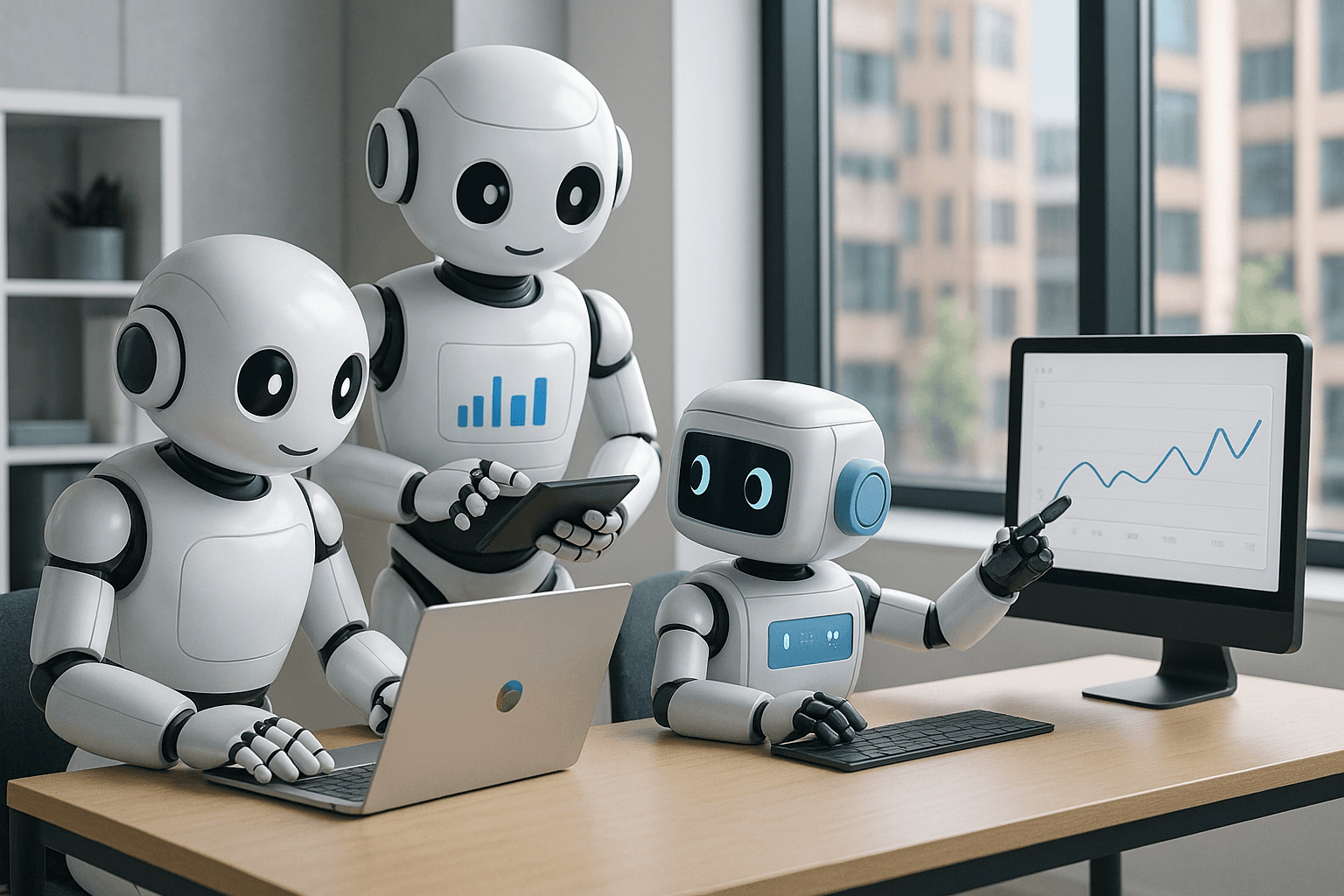
Future Trends: AI Agents in Enterprise Workflows
Explore future trends in AI agents enhancing enterprise workflows, revolutionizing industries with advanced automation and predictive analytics.

Get the daily AI & tech briefing.
Understanding the Rise of AI Agents in Enterprise Workflows
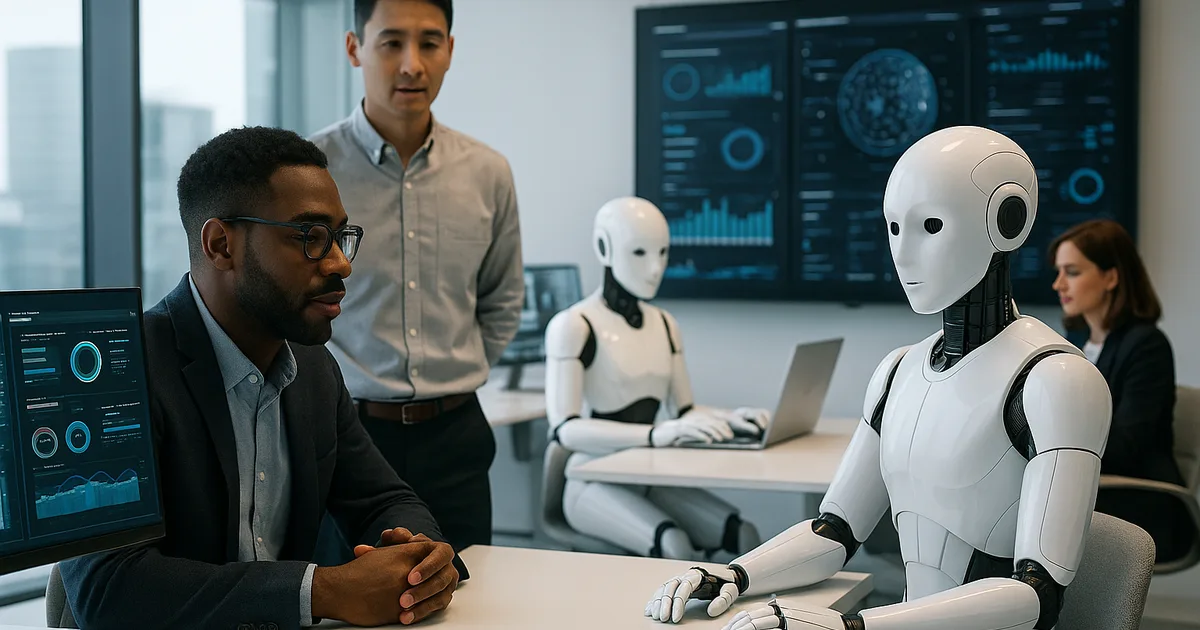
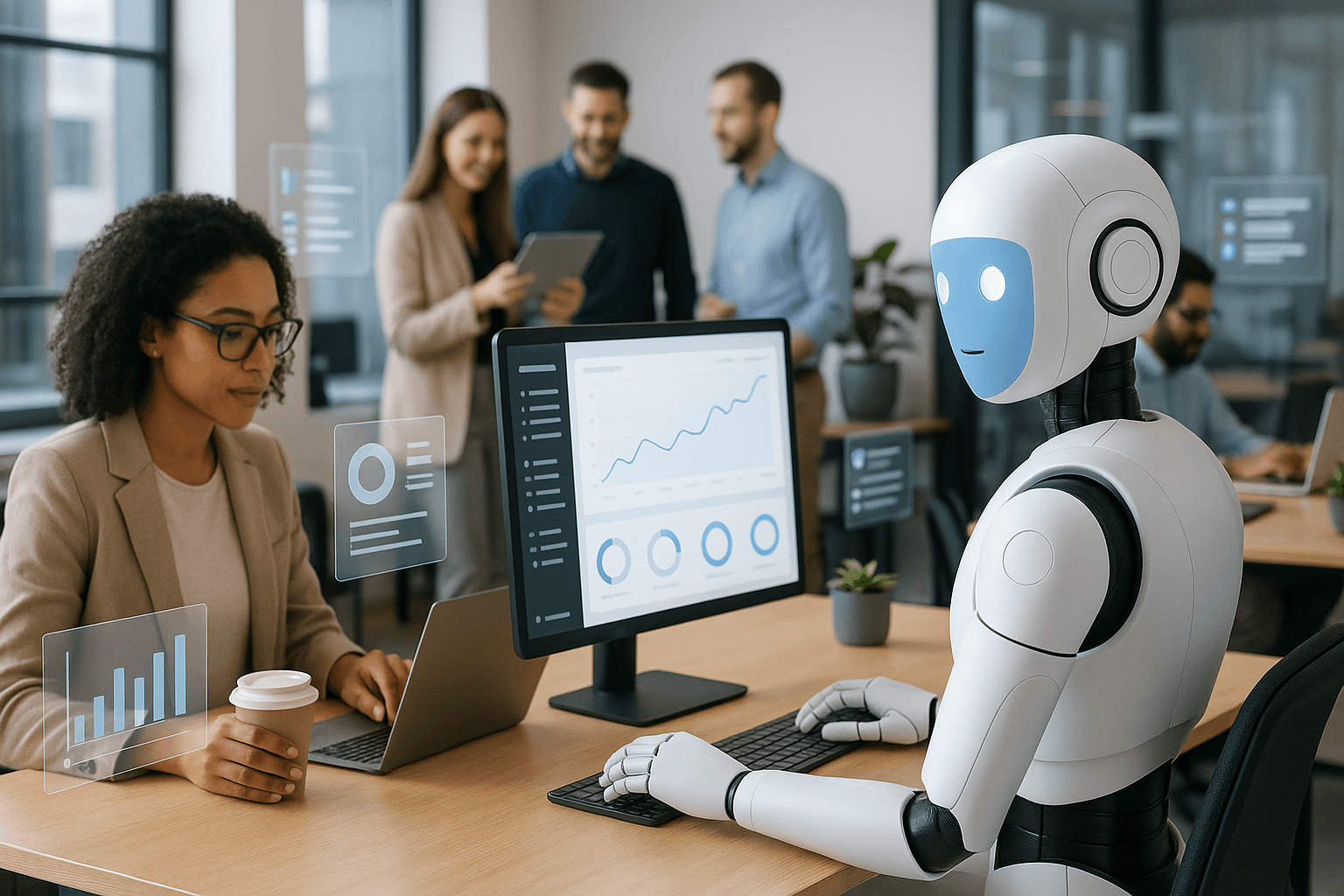
The integration of AI agents in enterprise workflows is no longer a distant dream. Businesses are increasingly leveraging these intelligent tools to streamline operations, improve efficiency, and drive innovation. AI agents are software entities capable of performing tasks autonomously, learning from data, and interacting with users naturally. They are revolutionizing how enterprises handle everything from customer service to supply chain management. For more on how AI agents are transforming business processes, see case studies.
Key Drivers Behind AI Adoption in Enterprises
Several factors are driving the adoption of AI agents in enterprise workflows. Rapid advancements in AI technologies and computational power have made it feasible to deploy AI at scale. The demand for operational efficiency and cost reduction also propels enterprises to explore AI solutions. Furthermore, the availability of vast amounts of data fuels the effectiveness of machine learning models, enabling AI agents to deliver meaningful insights and automate complex tasks. To understand the broader strategies and tools for AI integration, refer to the hub.
Integration of AI Agents: Tools and Technologies
When integrating AI agents into workflows, tools like robotic process automation (RPA), natural language processing (NLP), and machine learning platforms are crucial. These technologies empower AI agents with capabilities like understanding customer queries, automating repetitive tasks, and making data-driven decisions. Popular platforms such as UiPath, Microsoft Azure AI, and AWS AI Services provide robust environments for deploying AI agents tailored to enterprise needs. Dive deeper into the top AI tools that facilitate such integrations.
Emerging Trends in AI Workflow Automation
AI workflow trends are evolving rapidly, showcasing several emerging patterns:
- Predictive Analytics: AI agents are increasingly used for predictive analytics, helping businesses forecast trends and make proactive decisions.
- Hyperautomation: This next phase of automation refers to the use of advanced AI agents to automate every possible business process, driven by RPA, AI, and machine learning.
- Human-Augmented AI: AI agents are now designed to augment human work, enhancing productivity rather than replacing human jobs completely.
The Role of AI in Enhancing Customer Experience
AI agents are reshaping customer experience by providing personalized interactions and faster resolutions. Chatbots, virtual assistants, and NLP-driven solutions allow enterprises to offer 24/7 customer support and gather valuable feedback. AI-driven sentiment analysis helps businesses understand customer moods, tailoring responses and improving satisfaction.
Comparing AI Agent Capabilities Across Industries
Industry | AI Application | Outcome |
|---|---|---|
Retail | Personalized Recommendations | Increased Customer Engagement |
Healthcare | Diagnostic Assistance | Improved Patient Outcomes |
Finance | Fraud Detection | Enhanced Security |
Manufacturing | Predictive Maintenance | Reduced Downtime and Operational Costs |
Transportation | Autonomous Routing | Optimized Logistics and Delivery Efficiency |
Challenges and Ethical Considerations of AI in Enterprises
Despite the benefits, integrating AI agents in enterprise workflows comes with challenges. Data privacy concerns, algorithmic biases, and the need for transparency are significant obstacles. Enterprises must ensure AI applications comply with regulations like GDPR and maintain ethical standards. Developing responsible AI practices involves continuous monitoring, bias checks, and clearly defined accountability measures. Explore challenges and solutions for a deeper understanding of these issues.
Preparing for the Future: Strategic AI Deployment
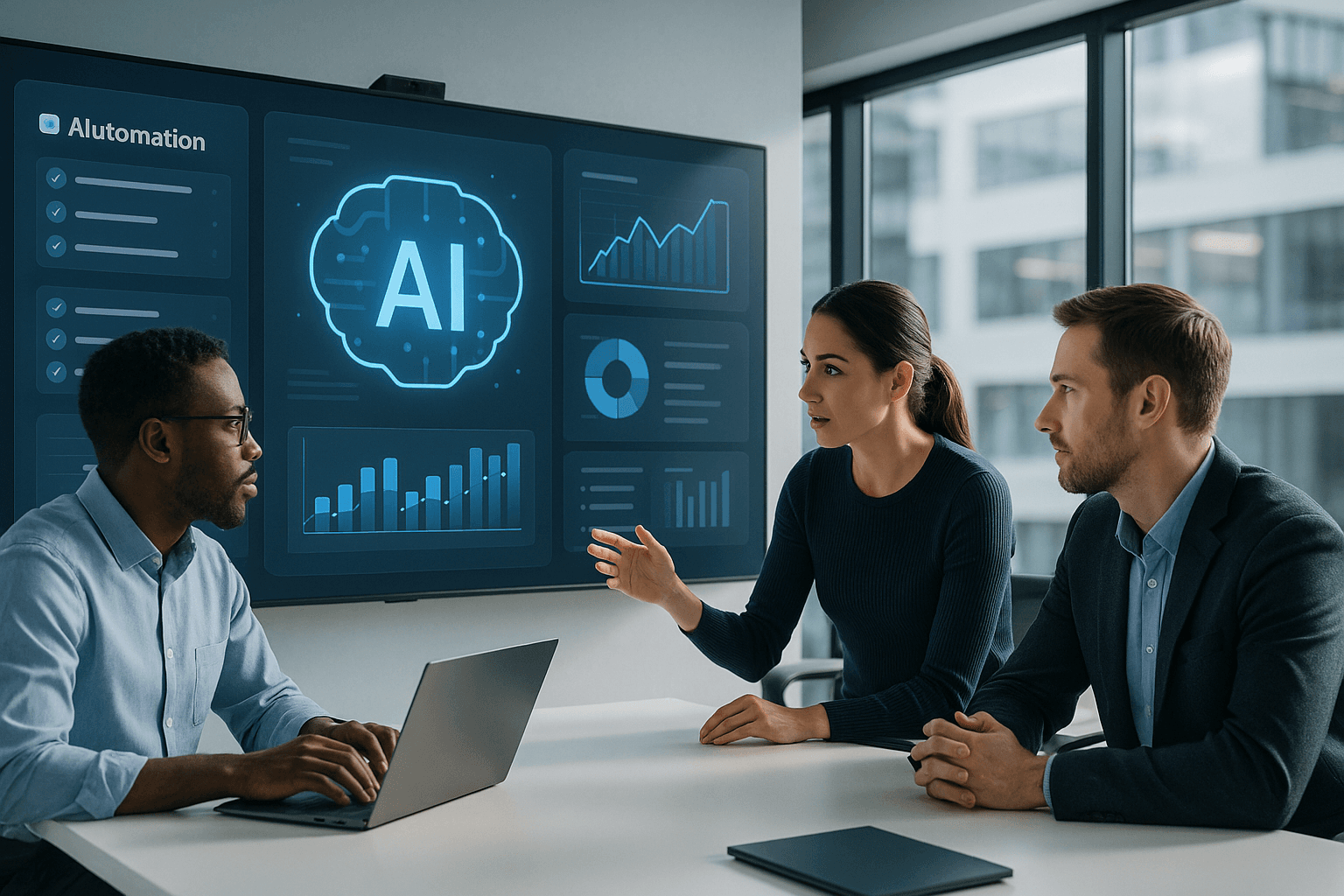
To stay ahead, enterprises should adopt a strategic approach when implementing AI agents. Identifying specific use cases, investing in AI expertise, and building a flexible IT infrastructure are essential steps. Collaboration between business leaders, tech teams, and AI specialists will foster an environment that supports innovative AI applications tailored to specific industry needs.
FAQ
- What are AI agents?
AI agents are software programs that perform tasks autonomously, leveraging data to make decisions and interact with users naturally.
- How are AI agents used in enterprise workflows?
They automate processes, enhance data analysis, and improve customer service by performing tasks that traditionally required human intervention.
- What are some emerging AI technologies in enterprises?
Emerging technologies include hyperautomation, predictive analytics, and human-augmented AI applications.
- What challenges do enterprises face with AI adoption?
Key challenges include data privacy concerns, algorithmic biases, and ensuring ethical AI practices.
- How can enterprises prepare for future AI trends?
Businesses should invest in AI expertise, use strategic planning for AI deployment, and ensure their IT infrastructure is adaptable to emerging technologies.
Related Articles

Don't miss what ships next
The daily briefing on AI & tech, straight to your inbox.
Written by
Vunsh MehtaI’m a computer science student and developer focused on AI, automation, and emerging tech. I write about AI news, tools, and trends from a practical, builder-focused perspective.