The Best AI Tools for Students in 2026 - Study Smarter Without Cheating
Discover the top AI tools in 2026 that help students study smarter while maintaining academic integrity.

Get the daily AI & tech briefing.
Navigating the Landscape of AI Tools for Students in 2026
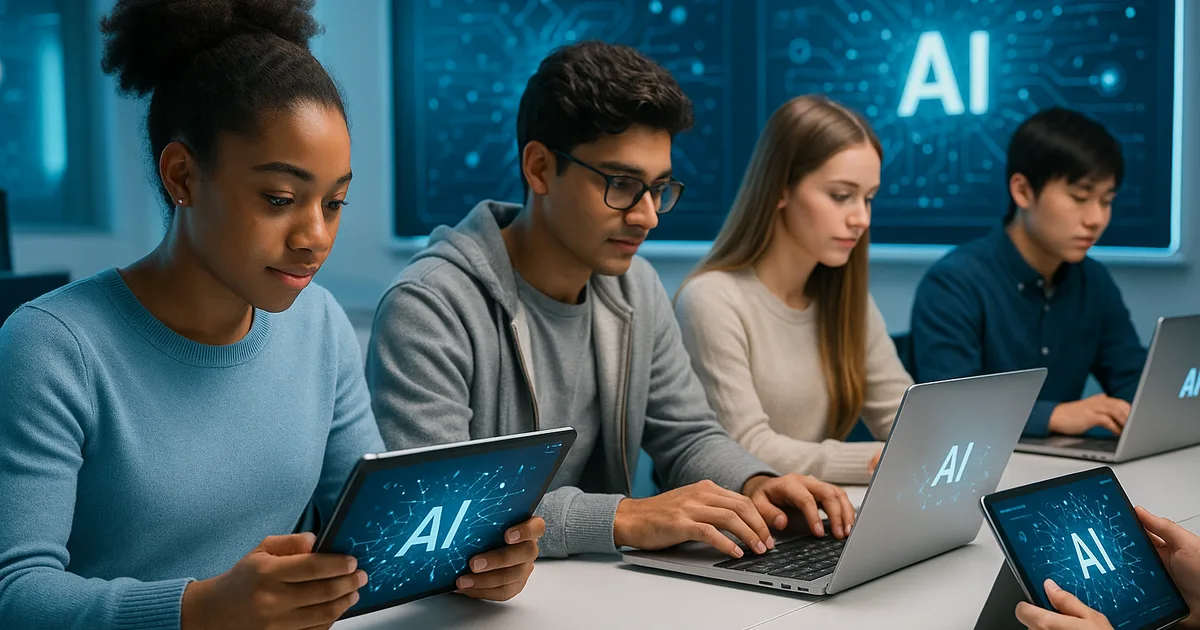
In 2026, AI tools have revolutionized how students approach their academics. With technology advancing rapidly, students have more resources than ever to enhance their learning without compromising integrity. This article explores some of the best AI tools available, focusing on those that uphold academic values.
Understanding AI's Role in Academic Integrity
Academic integrity is a significant concern for students using AI tools. These tools can either support honest learning or, if misused, encourage dishonesty. The key is selecting tools designed to assist with understanding and skill-building rather than providing direct answers.
The Impact of AI-Powered Flashcard Apps
AI-powered flashcard apps, like Anki and Quizlet, are game-changers in 2026. They use algorithms to identify areas where a student needs more practice, making study sessions more effective. Unlike traditional methods, these apps prevent rote memorization by encouraging understanding.
Virtual Tutors: Personalized Learning Without Shortcuts
Virtual tutors, such as Scribe AI, offer personalized explanations and guidance tailored to a student's learning style. They help clarify complex topics, ensuring students grasp concepts instead of resorting to shortcuts for answers. These tools are particularly helpful in subjects where personalized feedback can significantly enhance learning.
AI Writing Assistants: Enhancing Skills Without Plagiarism
AI writing assistants like Grammarly and ProWritingAid help students refine their writing by providing grammar corrections and style suggestions. These tools encourage students to improve their skills while preserving originality and preventing unintentional plagiarism.
Smart Note-Taking Tools: Organize and Retain Information Ethically
Tools such as Notion and Evernote have in-built AI features to streamline note-taking. They help students organize information effectively, aiding retention and understanding. Smart note-taking fosters a deeper connection with the material, reducing the temptation to cheat.
Collaborative AI Platforms: Encouraging Ethical Group Work
Applications like Miro and Microsoft Teams integrate AI to facilitate group projects. These platforms enhance communication and organization, allowing students to collaborate efficiently while maintaining ethical standards. AI ensures tasks are allocated fairly, and all members contribute to the project.
The Benefits of Digital Research Assistants in Academia
Digital research assistants like Synthesia and iSEEK enhance the research process by providing insightful data curation without doing the work for you. They suggest relevant sources and highlight key information, helping students develop critical thinking and analysis skills.
Continuous Learning Platforms: Building Knowledge Ethically
Platforms such as Coursera and Khan Academy use AI to customize learning paths based on progress and interest areas. By tailoring courses, these platforms encourage students to explore subjects deeply and build knowledge without resorting to unethical shortcuts.
Comparison Table of AI Tools for Students 2026
Tool | Purpose | Key Features | Pricing |
|---|---|---|---|
Anki | Flashcard app | Spaced repetition, personalized decks | Free/Premium |
Grammarly | Writing assistant | Grammar check, style suggestions | Free/Premium |
Scribe AI | Virtual tutor | Personalized feedback, adaptive learning | Subscription |
Notion | Note-taking | AI organization, collaboration tools | Free/Premium |
Synthesia | Research assistant | Source suggestions, data curation | Subscription |
FAQ
What are the best AI flashcard apps in 2026?
AI flashcard apps like Anki and Quizlet stand out by using adaptive learning algorithms that personalize study sessions, making them more effective. These tools encourage genuine understanding over simple memorization.
How do AI writing assistants help maintain academic integrity?
AI writing assistants such as Grammarly enhance writing skills by providing grammar and style feedback without altering the original content. This fosters better writing practices while avoiding plagiarism.
Can virtual tutors replace traditional tutoring?
Virtual tutors are designed as complements, not replacements, for traditional tutoring. They offer personalized learning experiences that help students grasp concepts but still benefit from one-on-one human interactions.
How do digital research assistants support ethical learning?
Digital research assistants aid in ethical learning by offering curated resources and insights, allowing students to form well-rounded arguments and deepen their critical thinking skills without doing the work for them.
Are AI tools replacing the need for teachers?
AI tools enhance the educational experience but cannot replace teachers. They provide support, personalized learning, and efficiency, but the guidance, inspiration, and mentorship from teachers remain irreplaceable.
Related Articles


Don't miss what ships next
The daily briefing on AI & tech, straight to your inbox.
Written by
Vunsh MehtaI’m a computer science student and developer focused on AI, automation, and emerging tech. I write about AI news, tools, and trends from a practical, builder-focused perspective.