Anthropic's Claude Opus 4.8: A Leap Forward in AI Capabilities
Anthropic's latest AI model, Claude Opus 4.8, introduces significant enhancements in dynamic workflows, reliability, and integration, setting a new standard in artificial intelligence.

Get the daily AI & tech briefing.
Anthropic has recently unveiled Claude Opus 4.8, marking a significant advancement in artificial intelligence capabilities. This latest iteration introduces dynamic workflows, enhanced reliability, and broader integration, positioning it as a formidable tool in the AI landscape.
Dynamic Workflows: Enhancing AI Adaptability
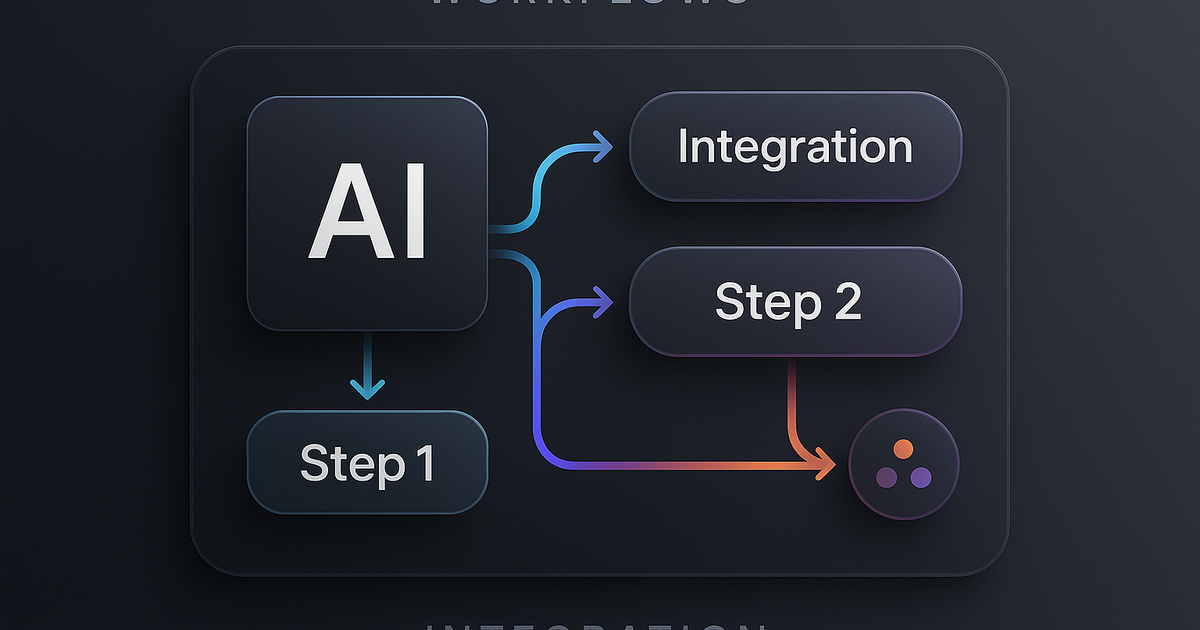
One of the standout features of Claude Opus 4.8 is its dynamic workflows. This functionality allows the AI to adapt its processes in real-time, responding to changing inputs and scenarios without manual intervention. For instance, in customer service applications, Claude can modify its response strategies based on the evolving context of a conversation, leading to more accurate and contextually appropriate interactions. This adaptability is achieved through advanced machine learning algorithms that enable the model to learn and adjust from ongoing interactions, reducing the need for constant human oversight.
Improved Reliability: Reducing AI Errors
Reliability has been a critical focus in the development of Claude Opus 4.8. Anthropic reports a 4x reduction in the model's tendency to overlook or hide its own mistakes. This improvement is crucial for applications where accuracy is paramount, such as legal document analysis or medical diagnostics. By minimizing errors, Claude Opus 4.8 enhances trust and dependability in AI-driven processes, encouraging broader adoption across industries that require high precision.
Seamless Integration: Expanding AI Accessibility
Claude Opus 4.8 has been integrated into various platforms, including GitHub Copilot, Perplexity, Microsoft 365, and Databricks workflows. This widespread integration signifies the model's versatility and ease of adoption. Developers can now leverage Claude's capabilities within their existing tools, streamlining workflows and enhancing productivity. For example, within GitHub Copilot, Claude assists in code generation and debugging, reducing development time and improving code quality.
Financial Milestone: Anthropic's Valuation Surge
Alongside the release of Claude Opus 4.8, Anthropic announced a $65 billion Series H funding round, elevating the company's valuation to $965 billion. This milestone not only underscores investor confidence in Anthropic's technology but also positions the company ahead of competitors like OpenAI in terms of market valuation. The substantial funding is expected to fuel further research and development, potentially leading to more groundbreaking advancements in AI.
Practical Applications: Claude Opus 4.8 in Action
The enhancements in Claude Opus 4.8 have practical implications across various sectors. In the healthcare industry, the model's improved reliability can assist in accurate patient diagnosis and treatment planning. In finance, dynamic workflows enable real-time analysis of market trends, aiding in investment decisions. Educational platforms can utilize Claude to provide personalized learning experiences, adapting content to individual student needs. These applications demonstrate the model's potential to transform industries by providing intelligent, adaptable, and reliable AI solutions.
Competitive Landscape: Claude Opus 4.8 vs. Other AI Models
When compared to other AI models like OpenAI's GPT series or Google's Gemini, Claude Opus 4.8 stands out due to its dynamic workflows and enhanced reliability. While other models offer impressive language processing capabilities, Claude's ability to adapt in real-time and minimize errors provides a competitive edge. This distinction is particularly valuable in applications where context and accuracy are critical.
Future Prospects: The Road Ahead for Anthropic
With the successful launch of Claude Opus 4.8 and a significant funding boost, Anthropic is well-positioned to continue its trajectory of innovation. Future developments may focus on further enhancing the model's adaptability, expanding its integration into additional platforms, and exploring new applications in emerging fields. As AI continues to evolve, Anthropic's commitment to advancing technology while prioritizing safety and reliability will likely keep it at the forefront of the industry.
FAQ
What is Claude Opus 4.8?
Claude Opus 4.8 is the latest AI model developed by Anthropic, featuring dynamic workflows, improved reliability, and seamless integration into various platforms.
How do dynamic workflows benefit AI applications?
Dynamic workflows allow AI systems to adapt their processes in real-time, leading to more accurate and contextually appropriate responses without manual intervention.
What platforms integrate with Claude Opus 4.8?
Claude Opus 4.8 is integrated into platforms such as GitHub Copilot, Perplexity, Microsoft 365, and Databricks workflows.
How does Claude Opus 4.8 compare to other AI models?
Compared to other AI models, Claude Opus 4.8 stands out due to its dynamic workflows and enhanced reliability, providing a competitive edge in applications requiring context and accuracy.
What are the future prospects for Anthropic following this release?
With the launch of Claude Opus 4.8 and significant funding, Anthropic is poised to continue innovating, focusing on enhancing adaptability, expanding integrations, and exploring new applications in emerging fields.
Related Articles



Don't miss what ships next
The daily briefing on AI & tech, straight to your inbox.
Written by
Vunsh MehtaI’m a computer science student and developer focused on AI, automation, and emerging tech. I write about AI news, tools, and trends from a practical, builder-focused perspective.